Chaparral (2019-2023)
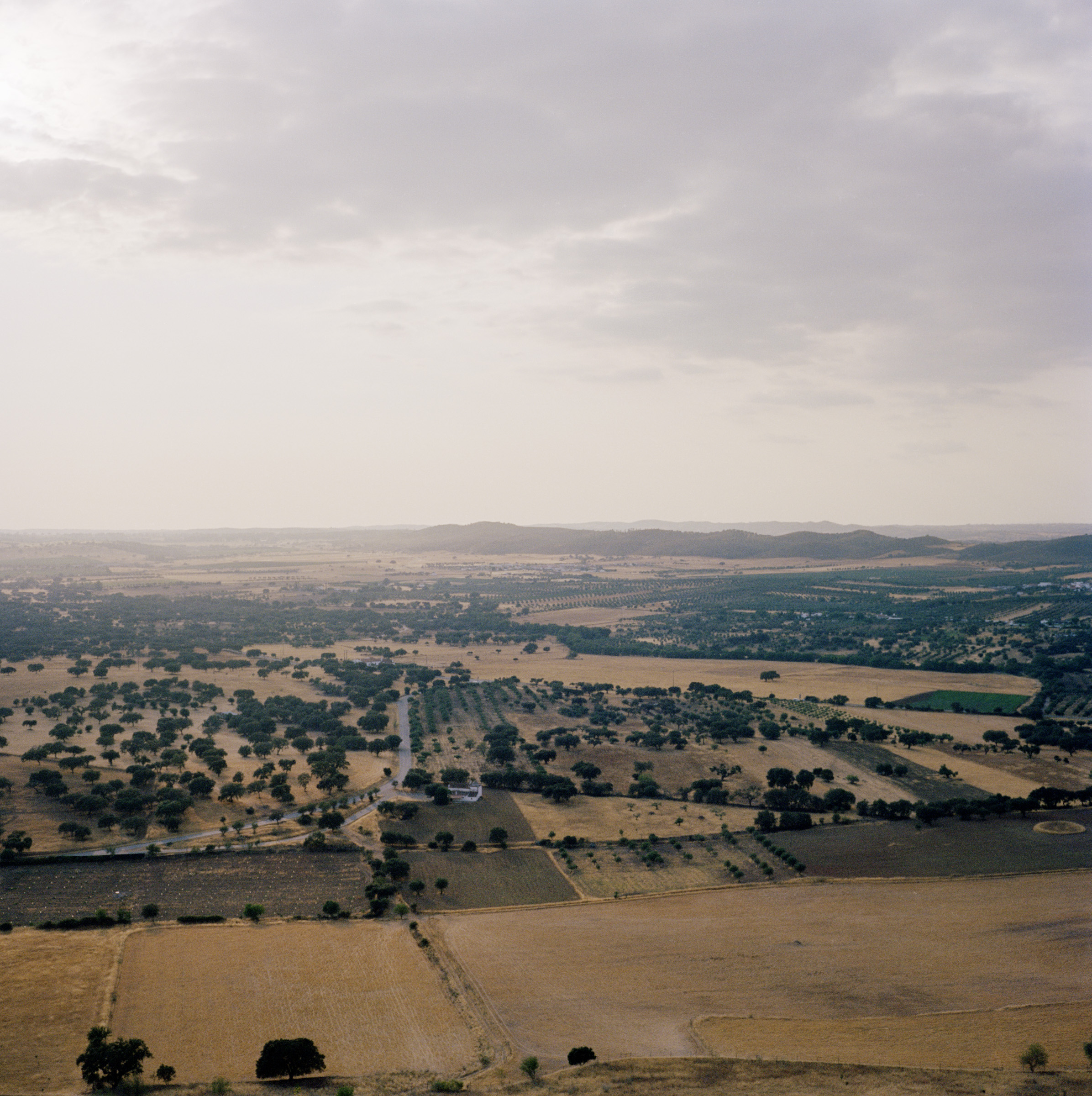
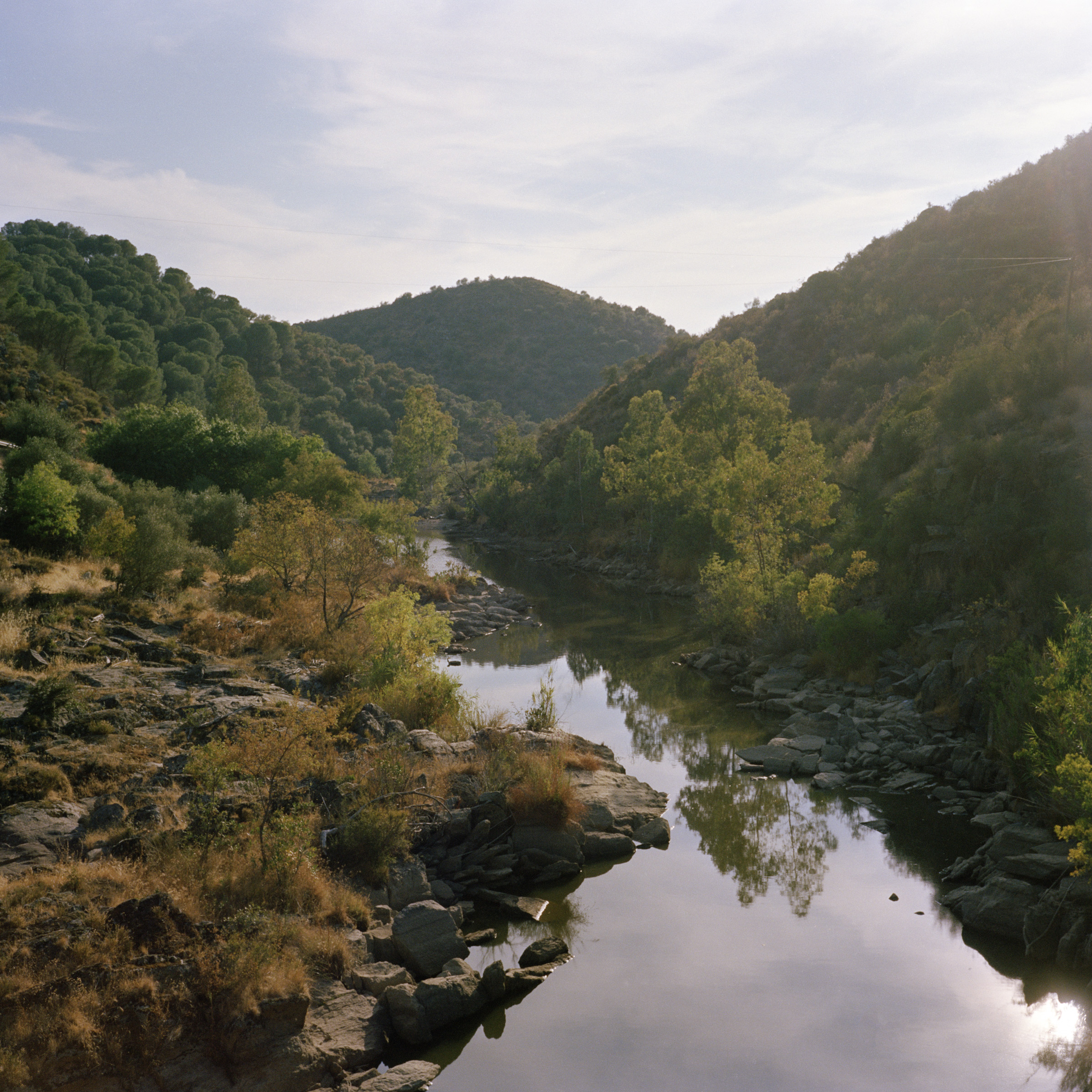
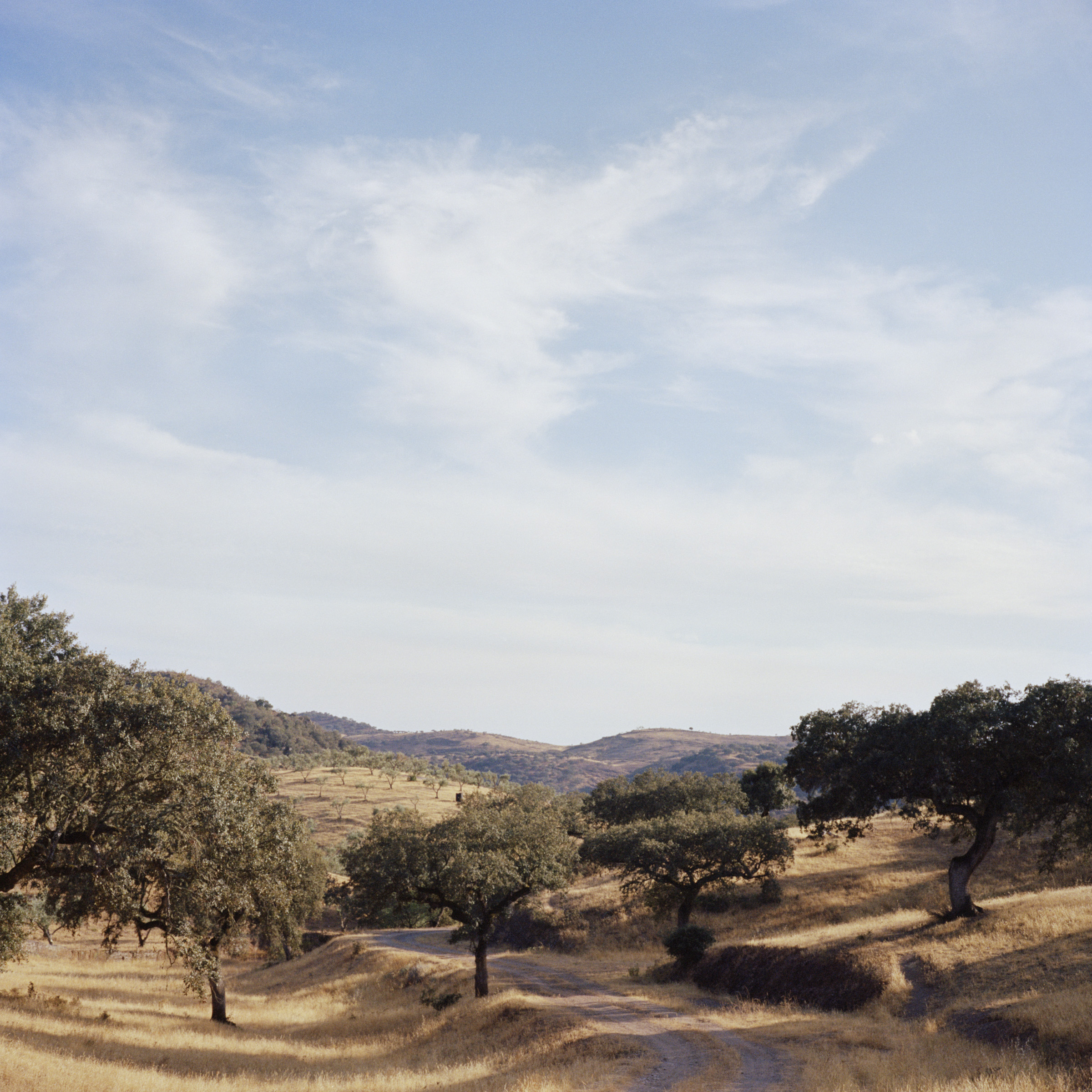
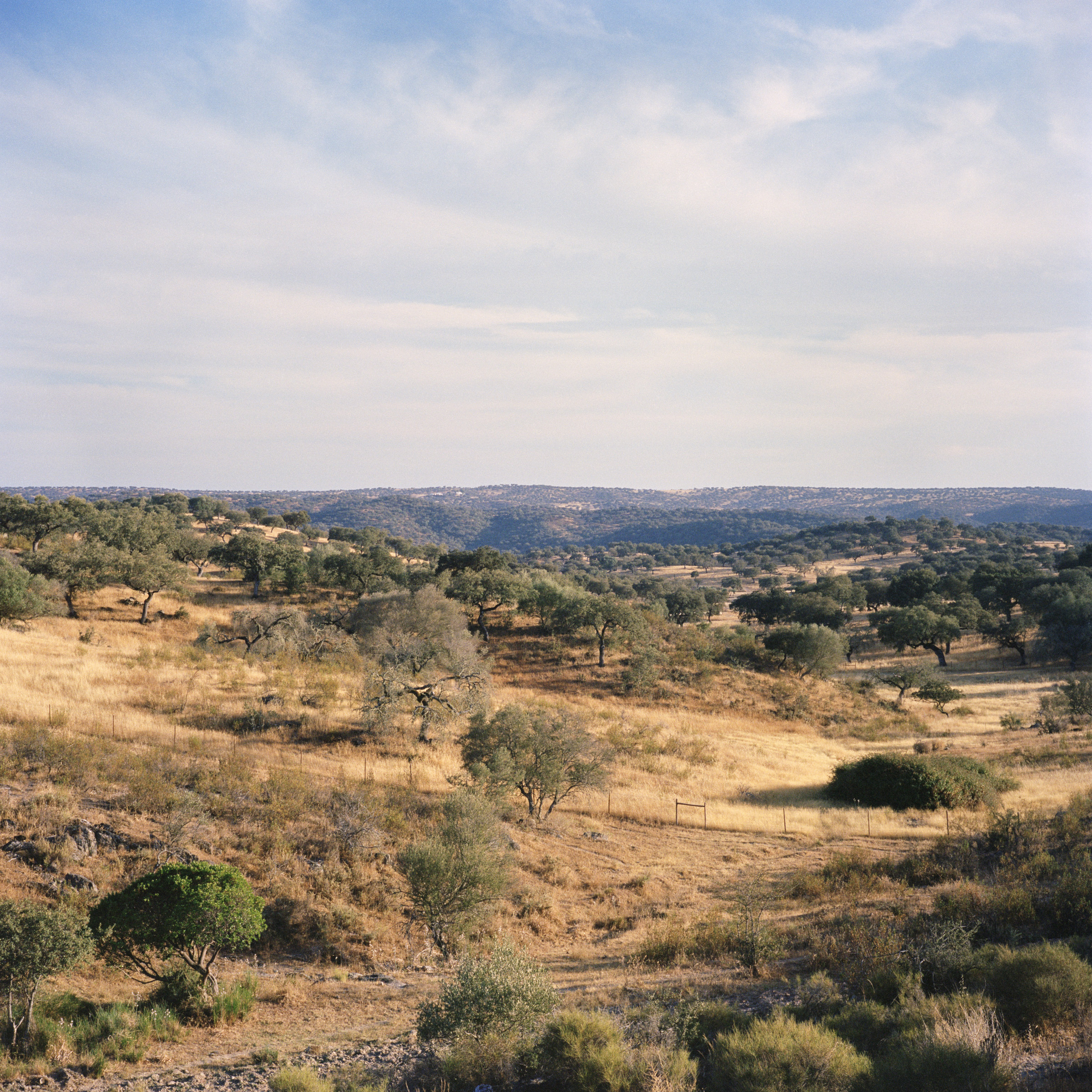
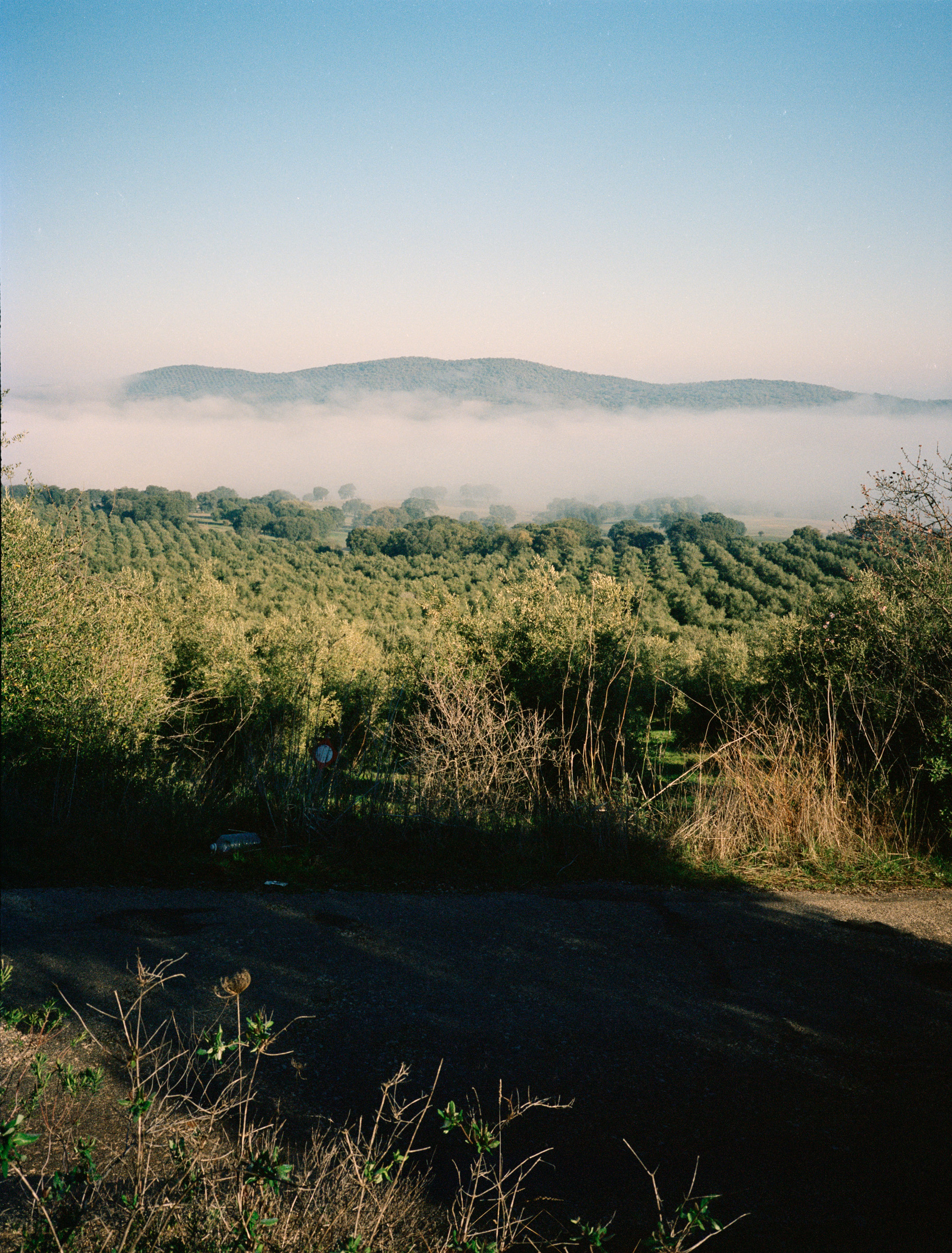
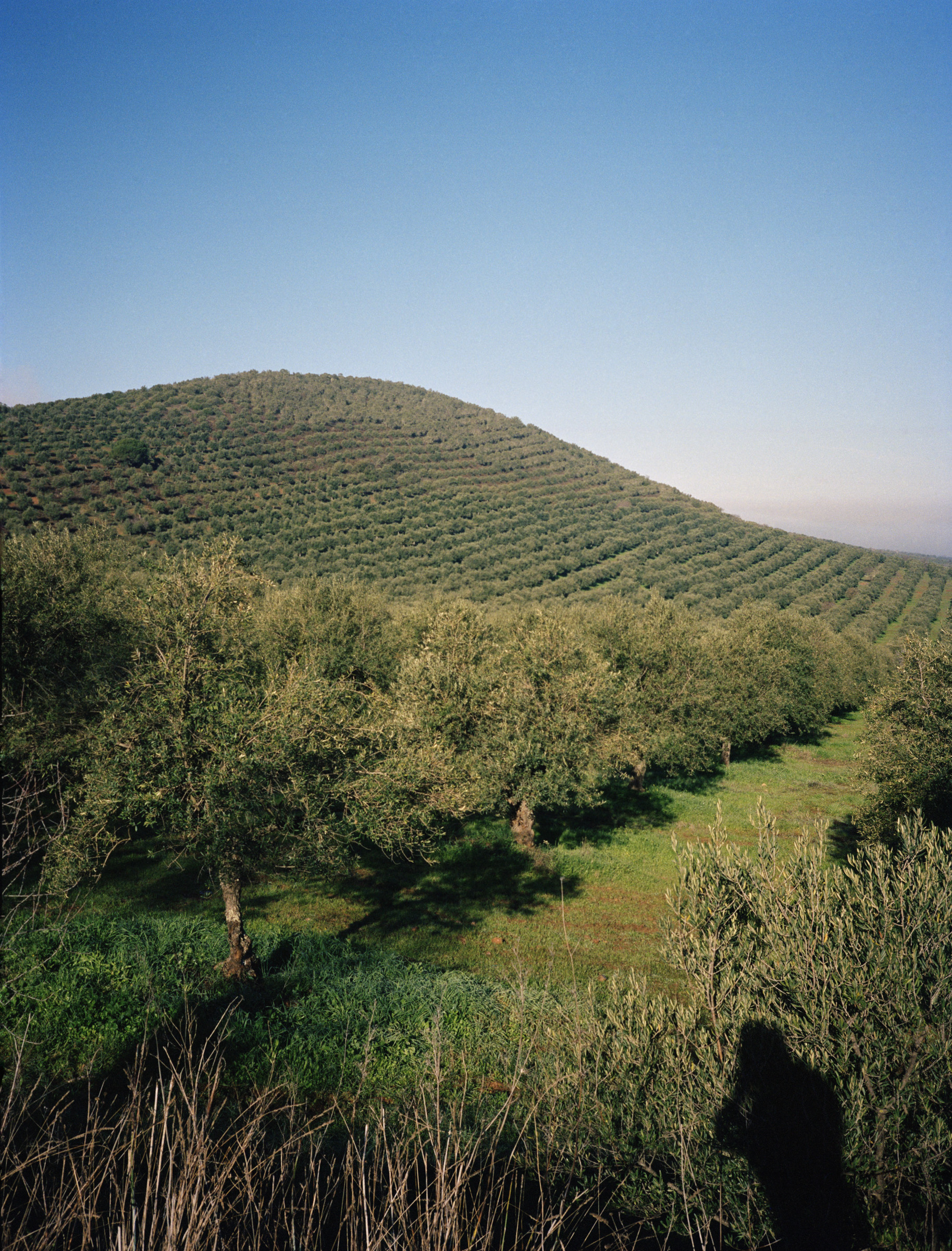
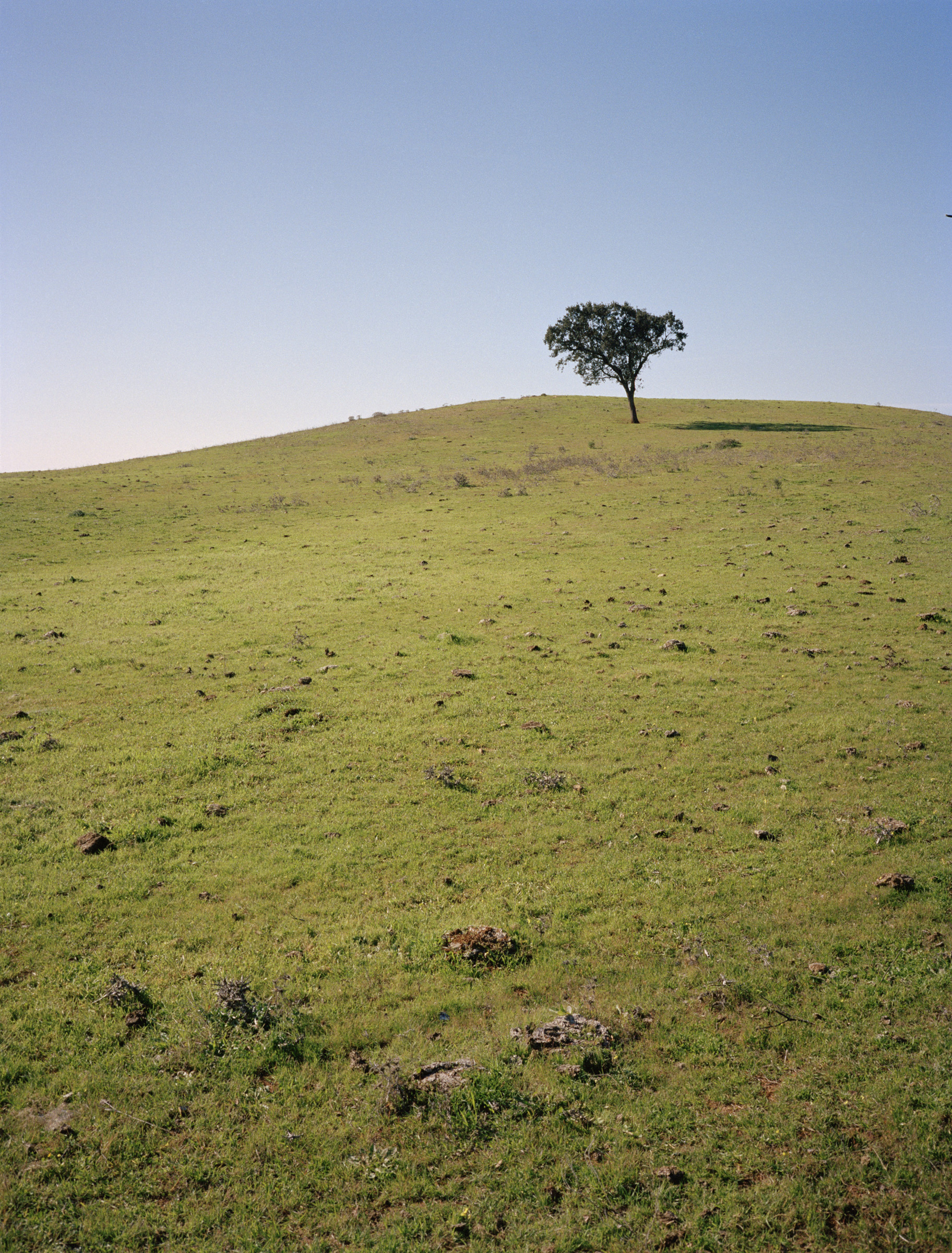
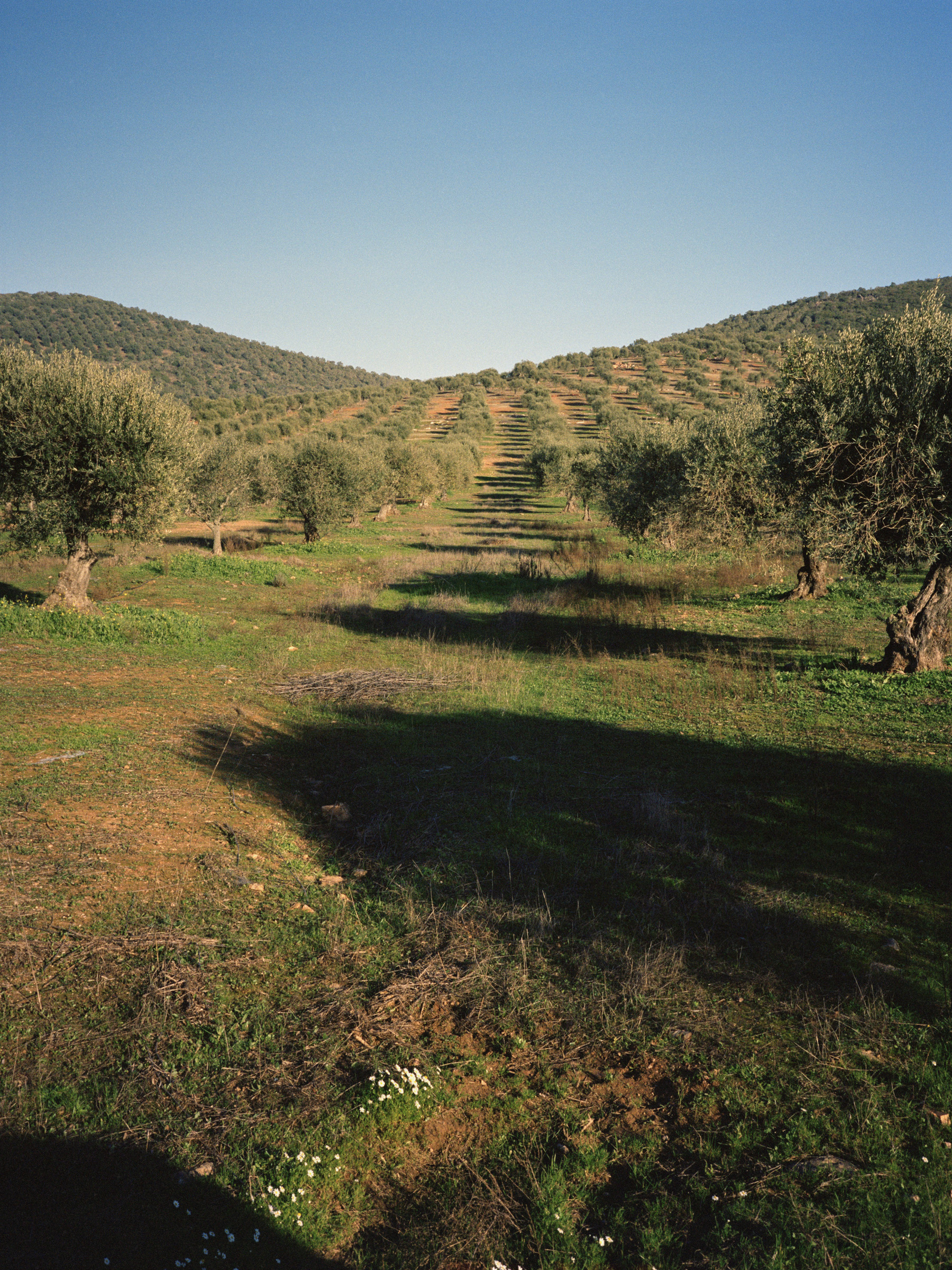
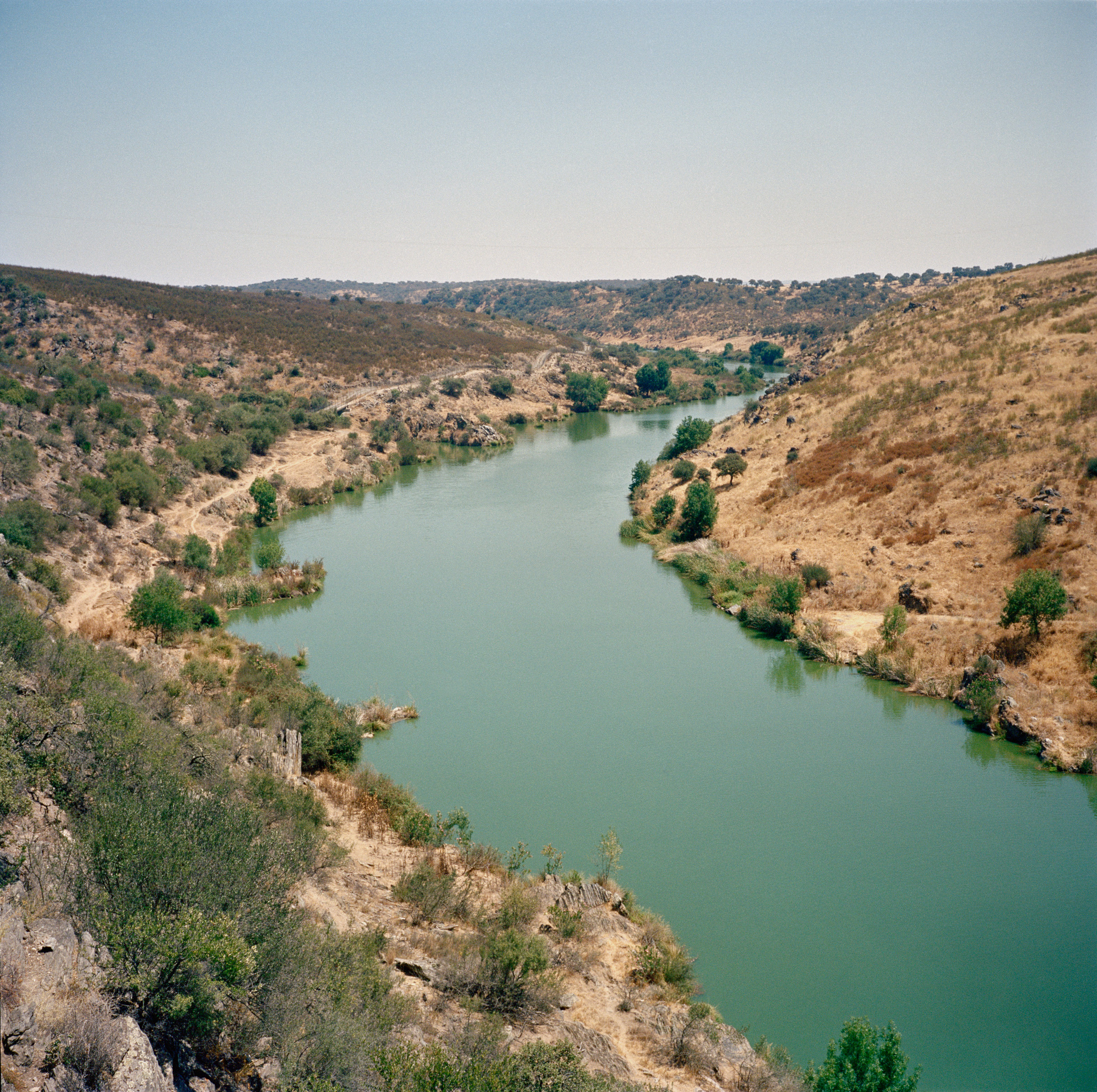
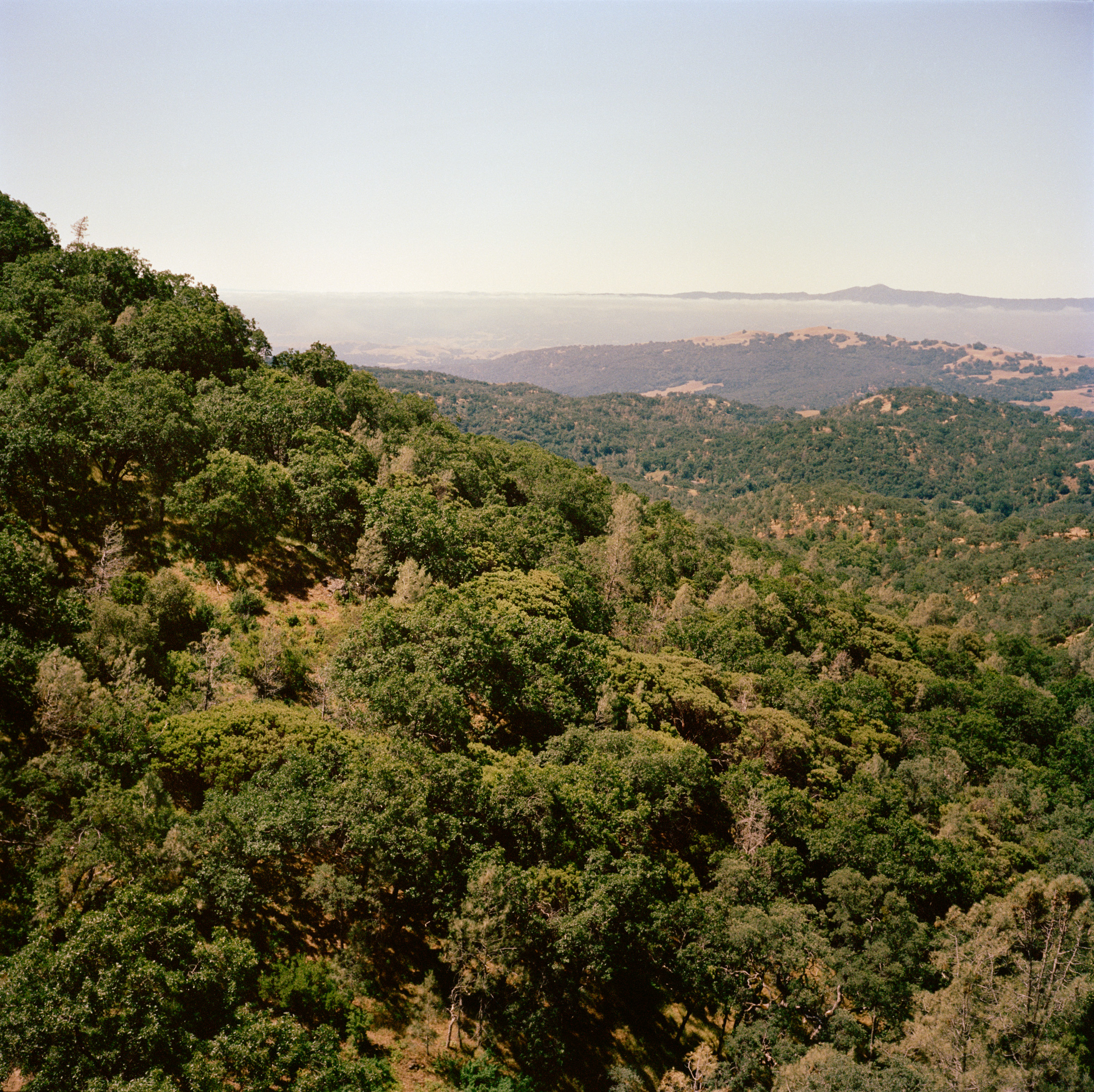
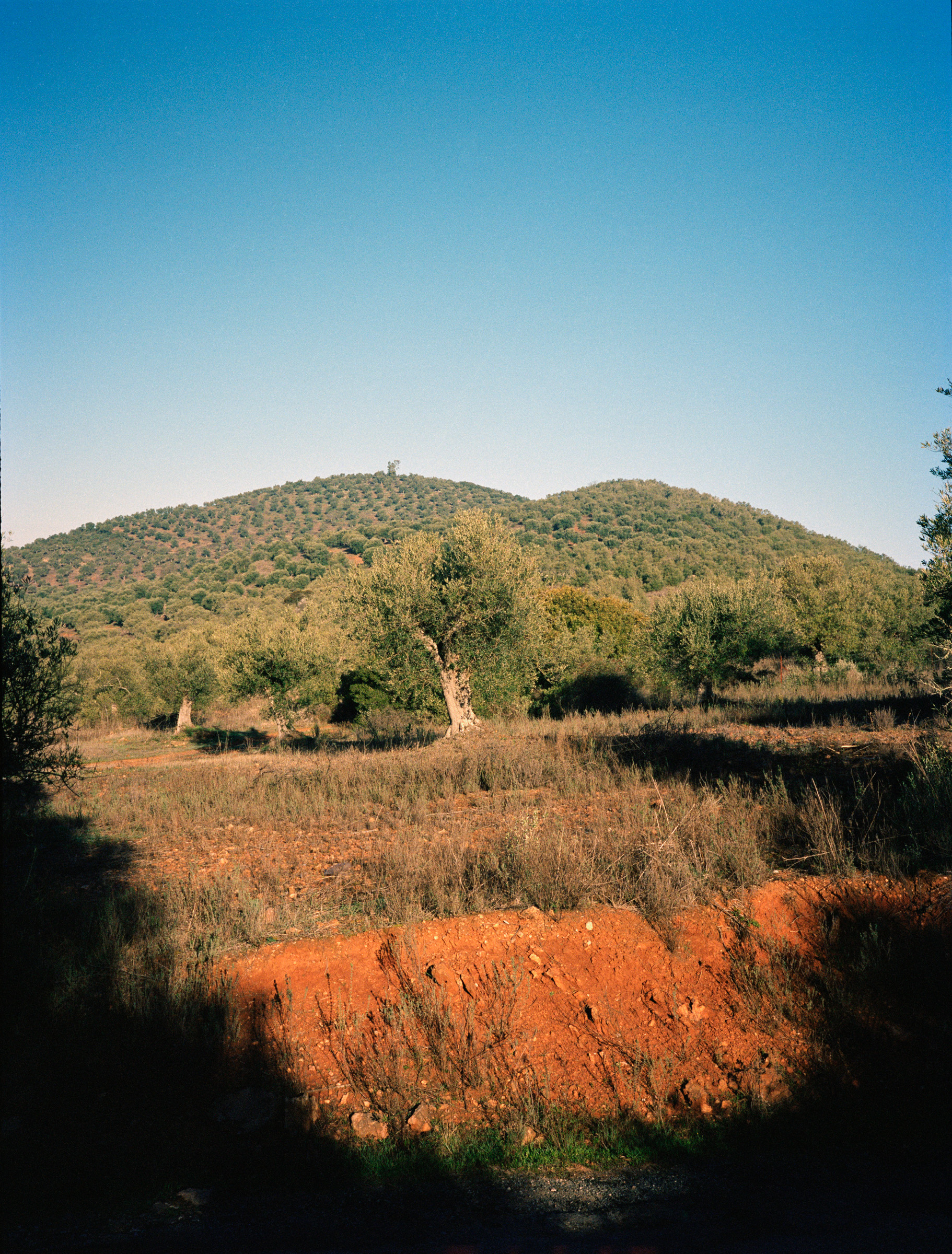
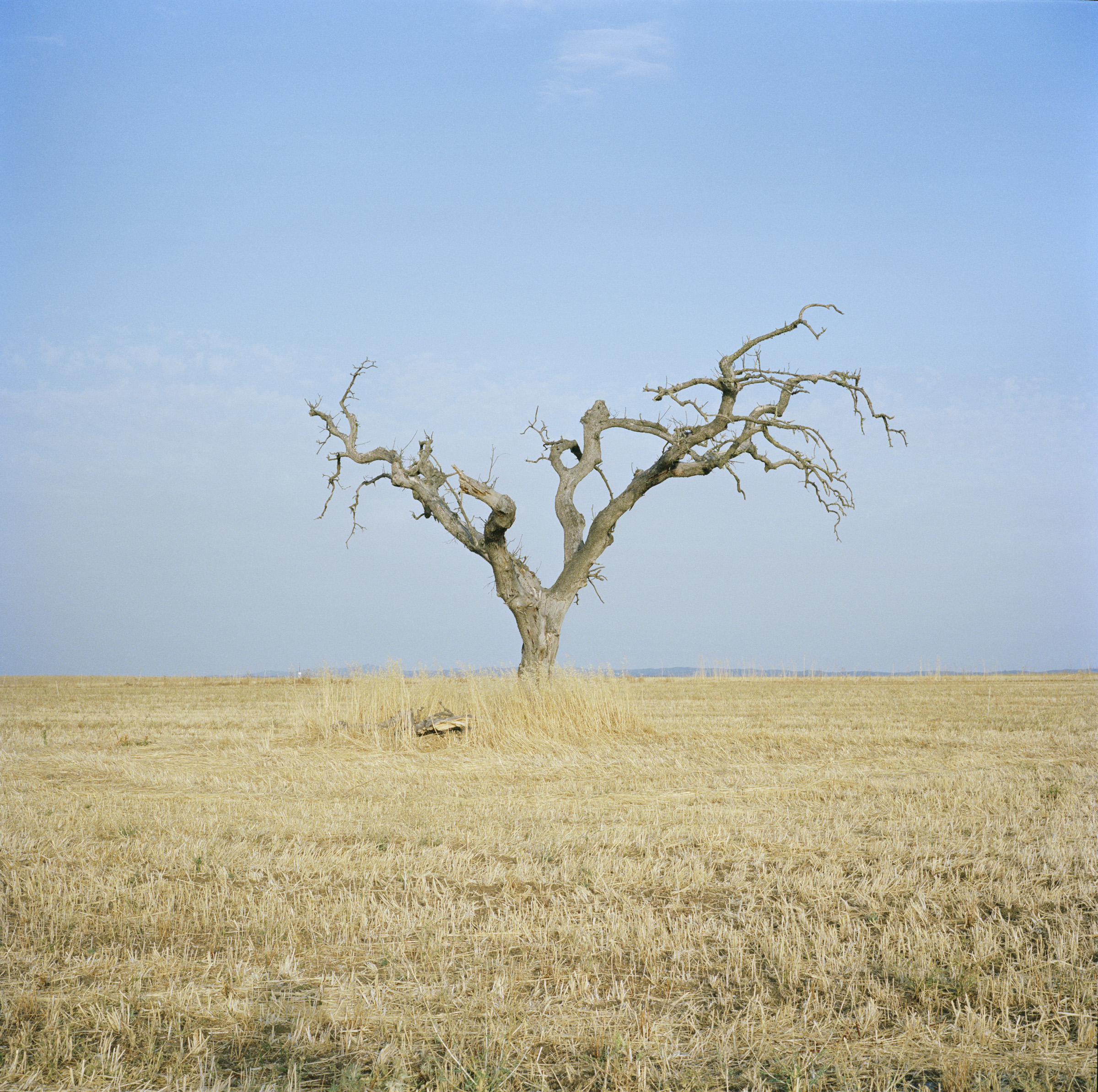
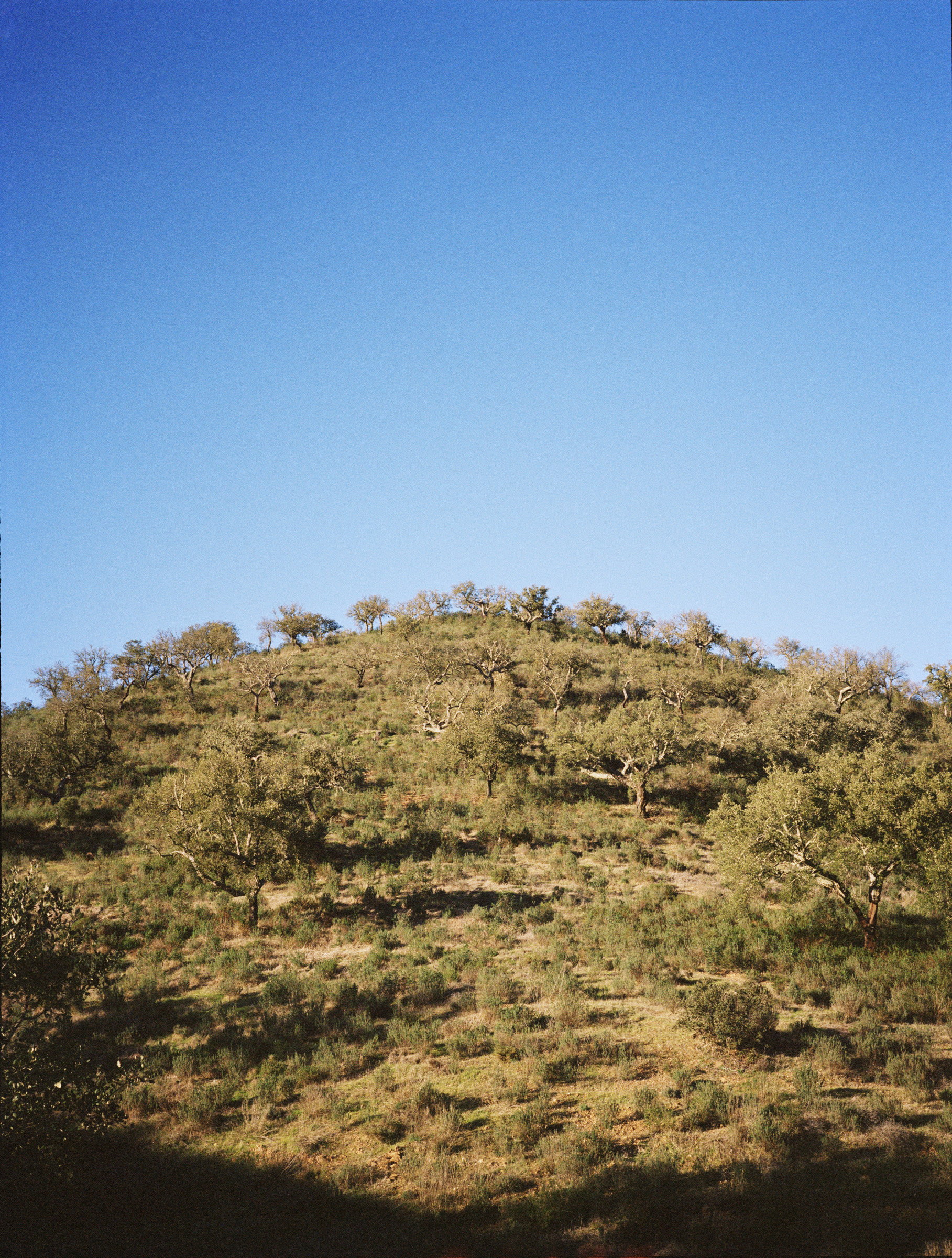
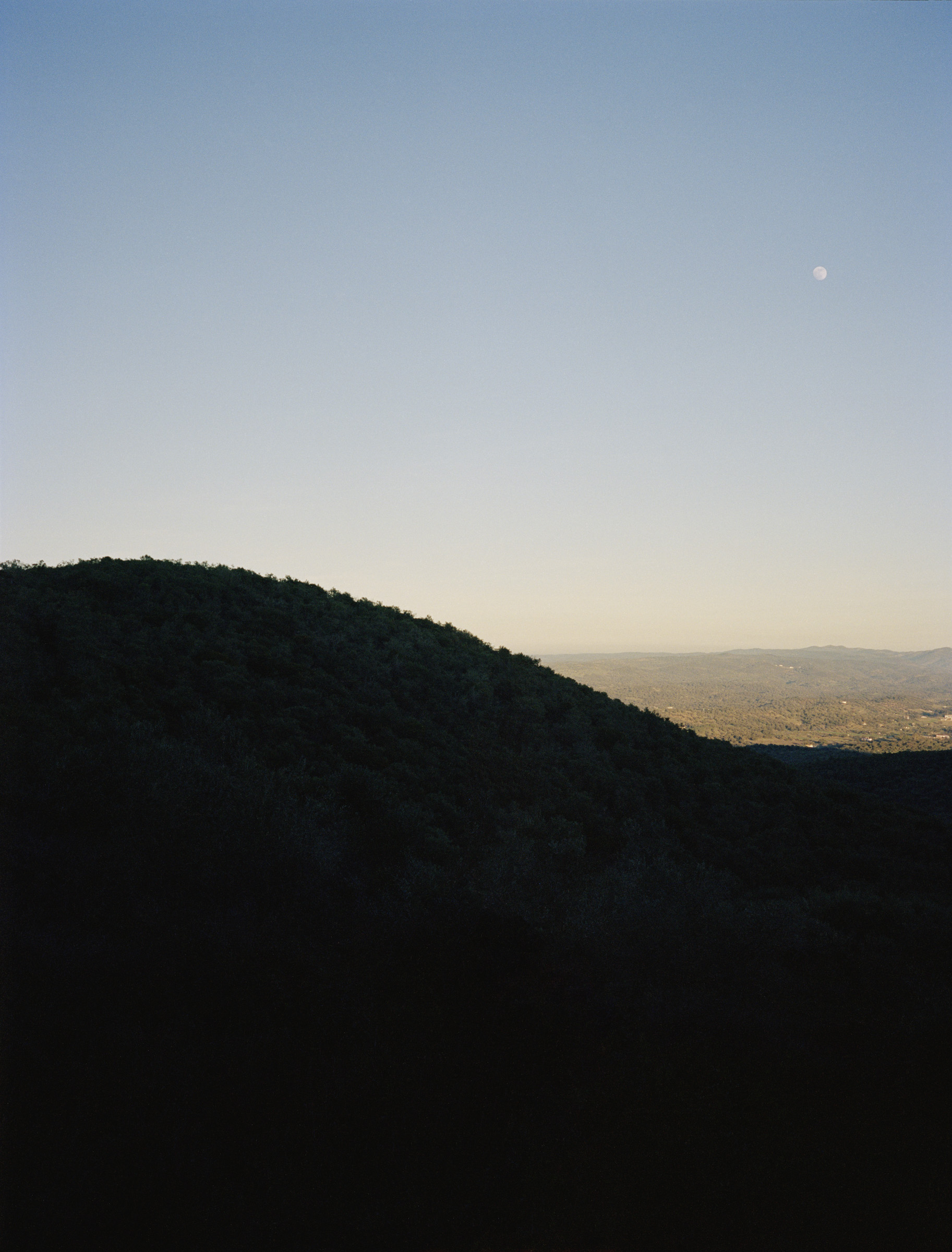
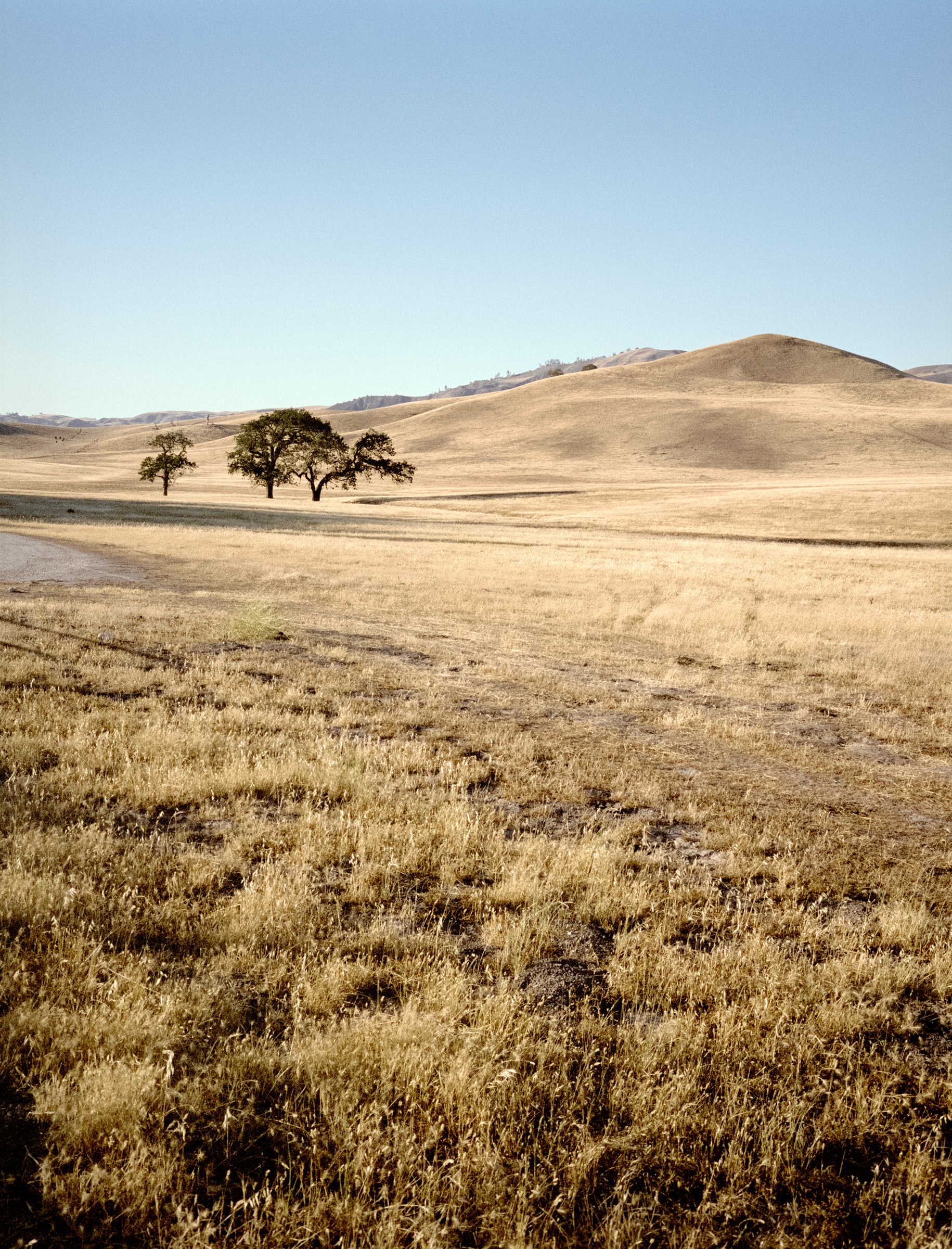
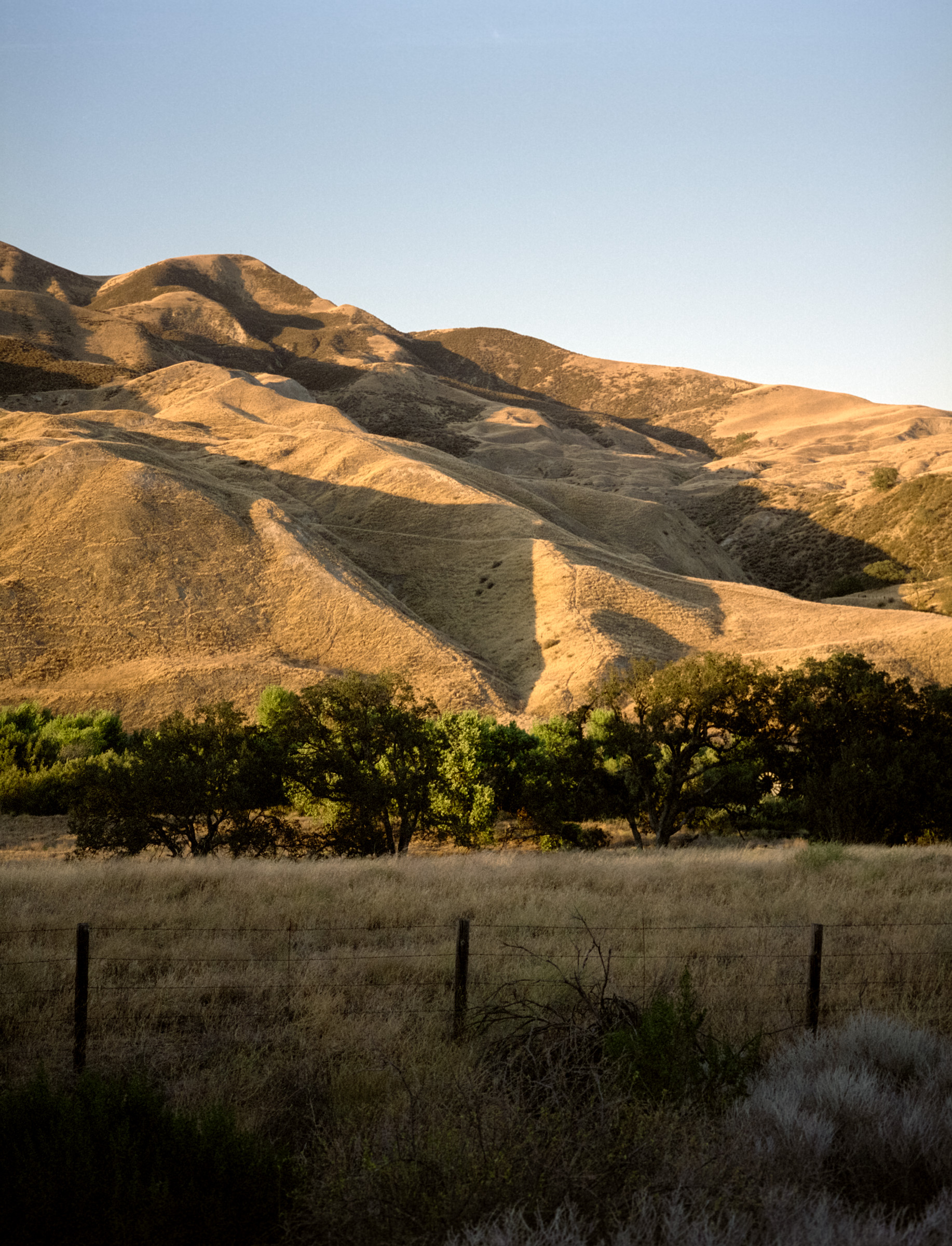
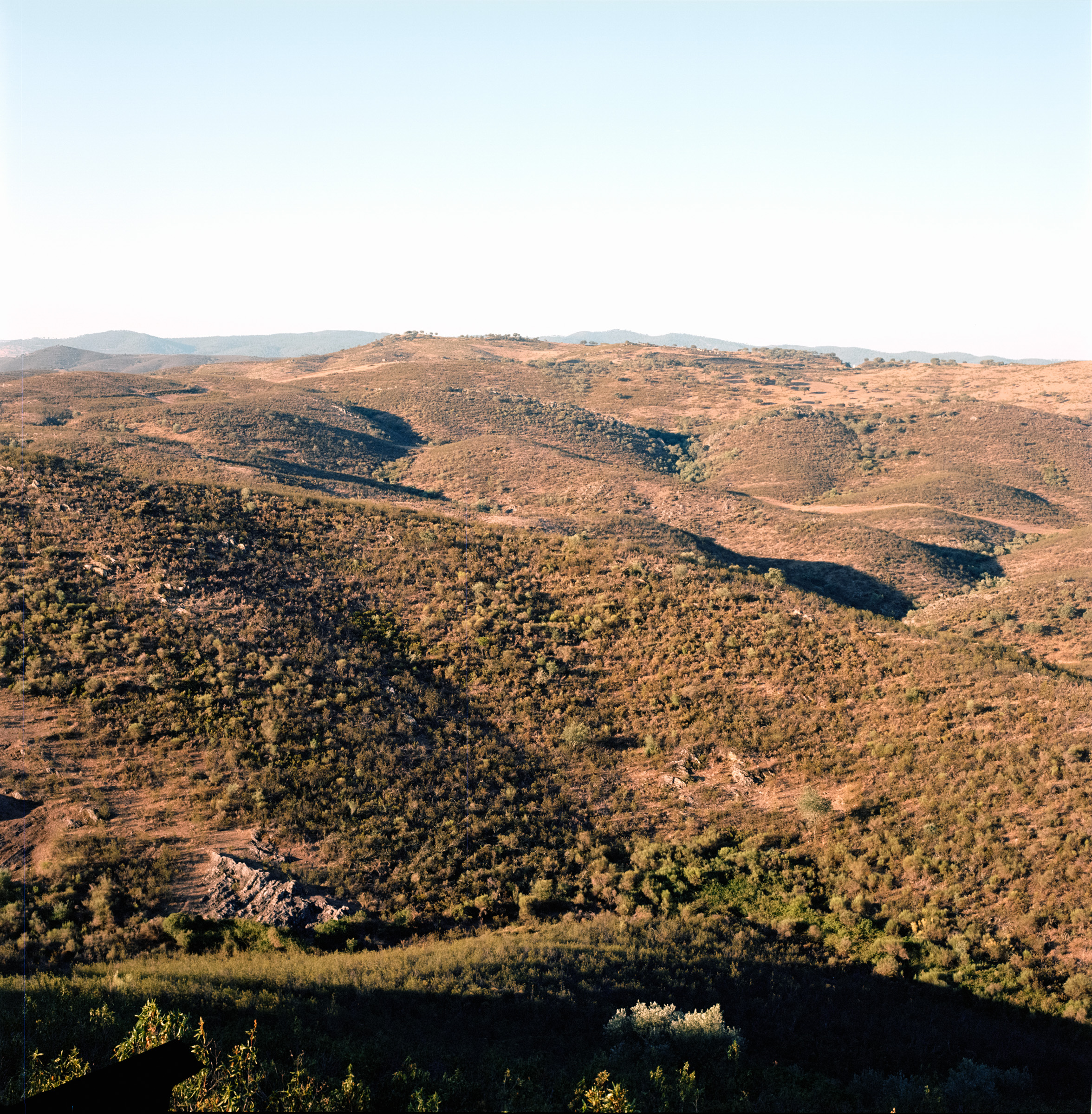
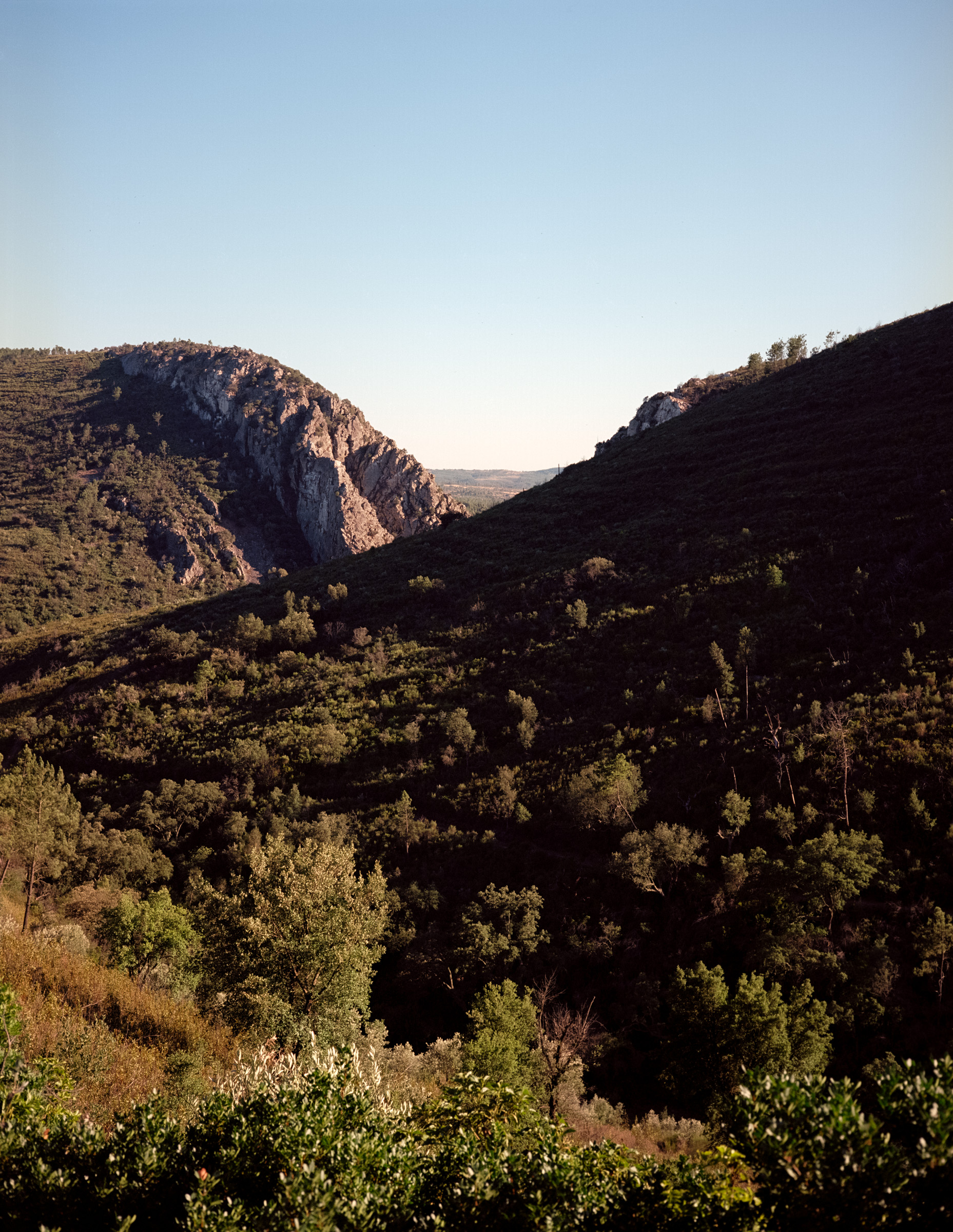
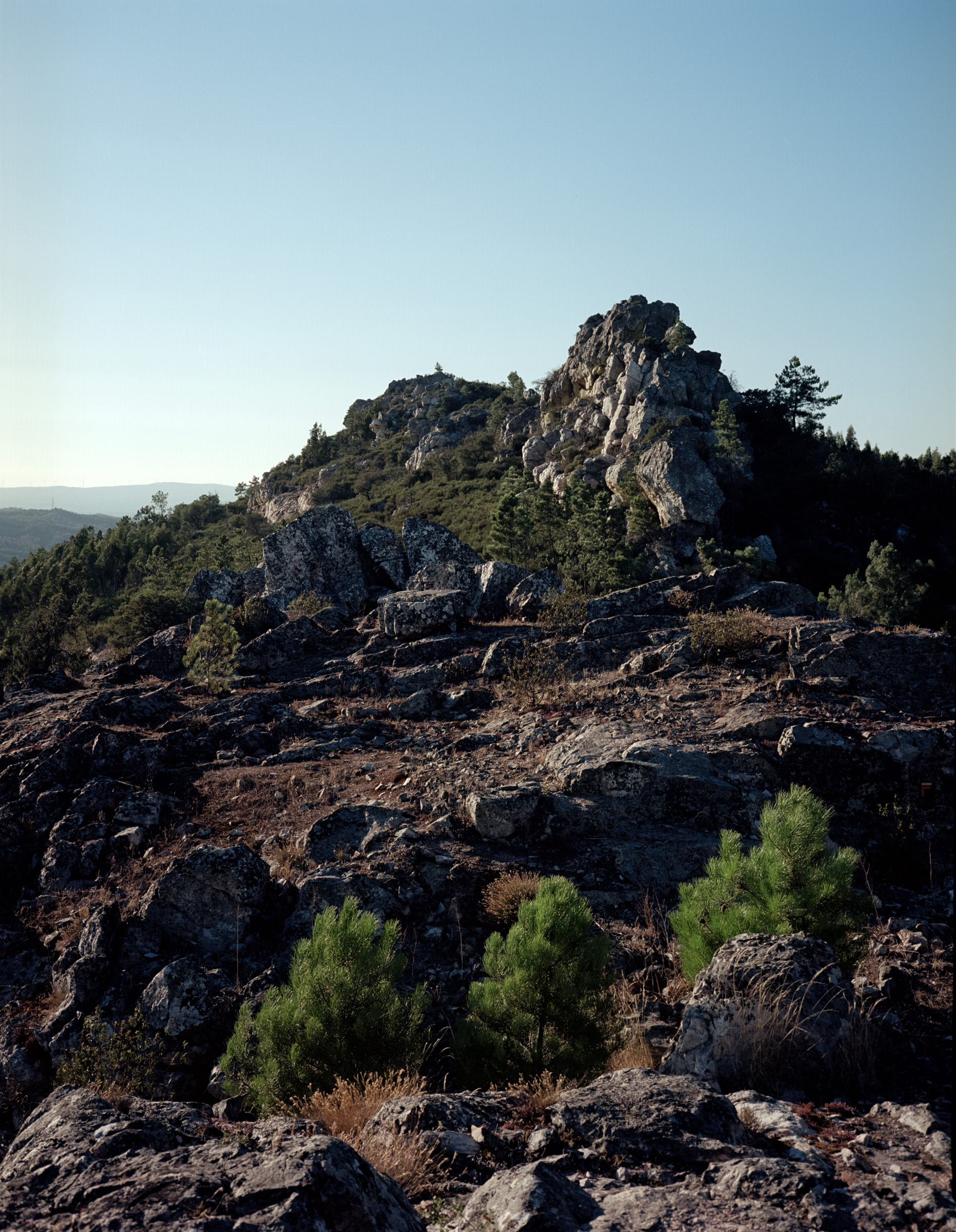
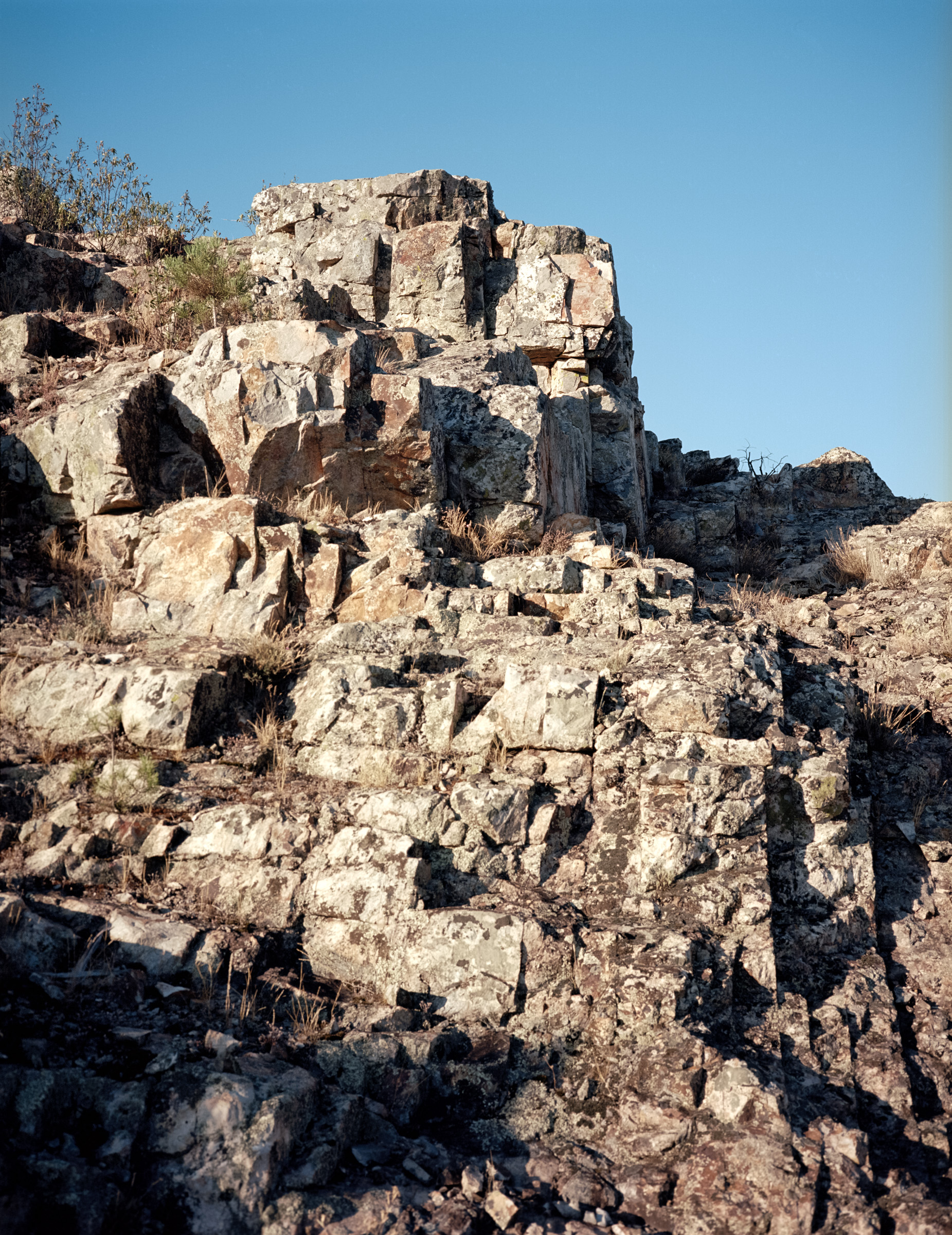
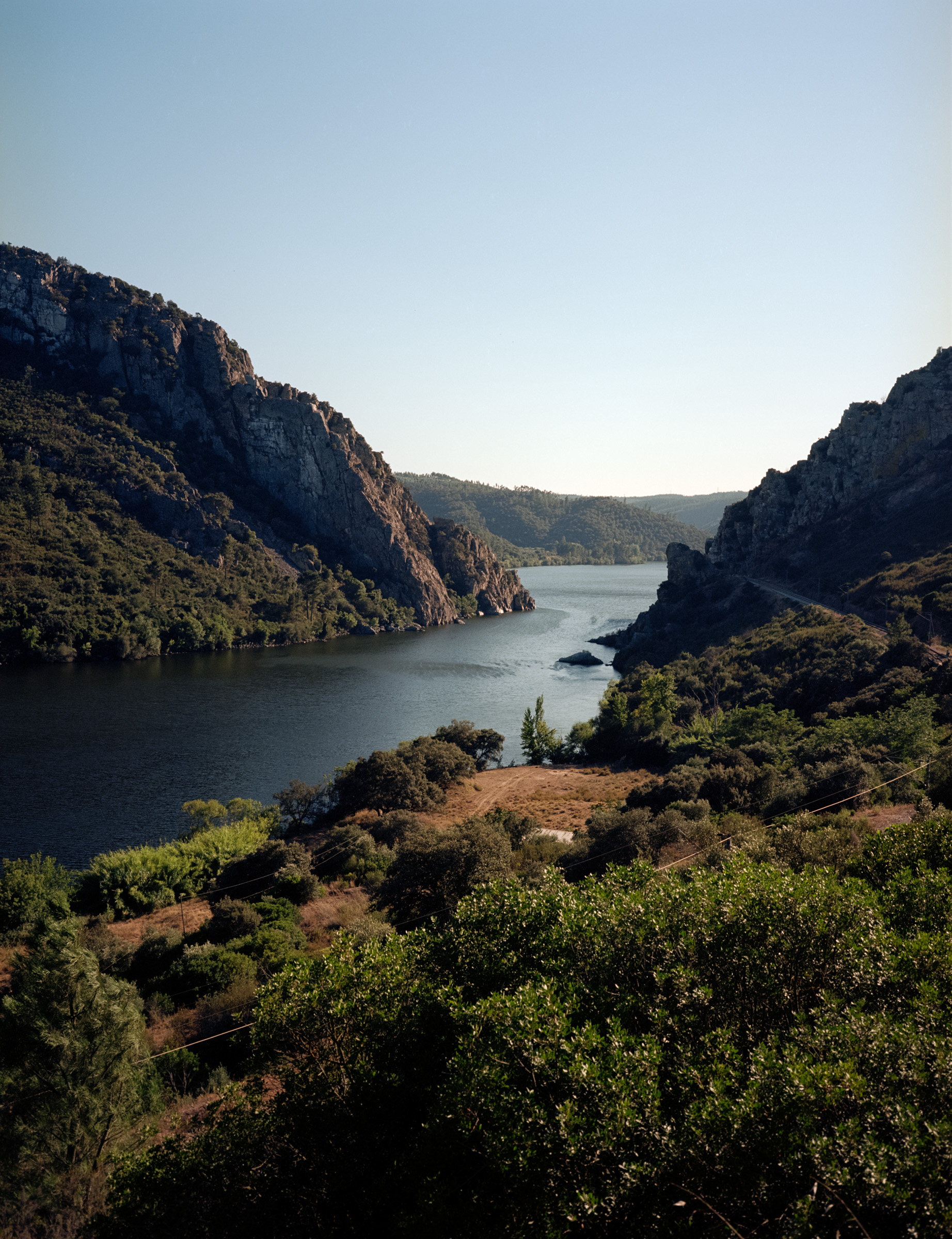
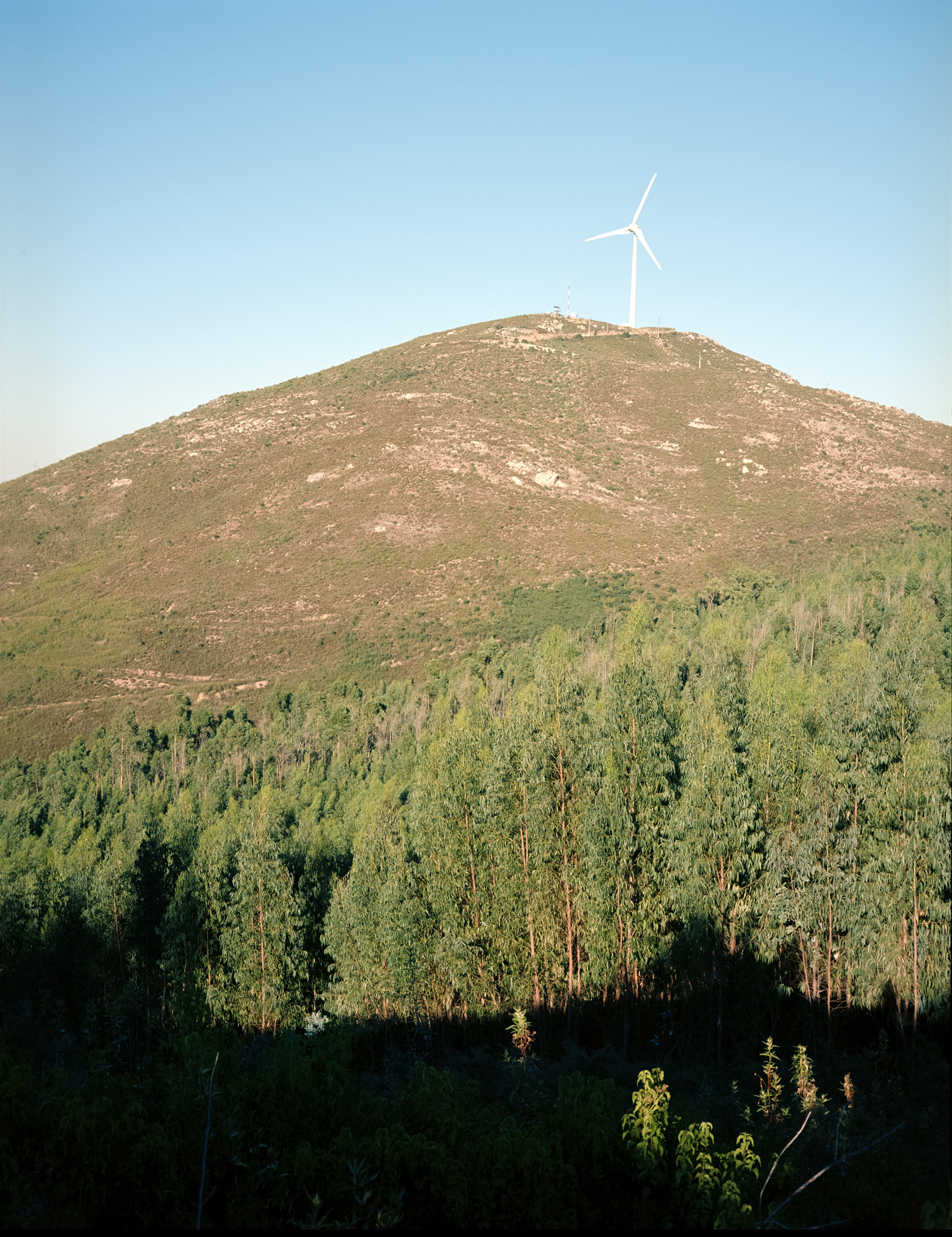
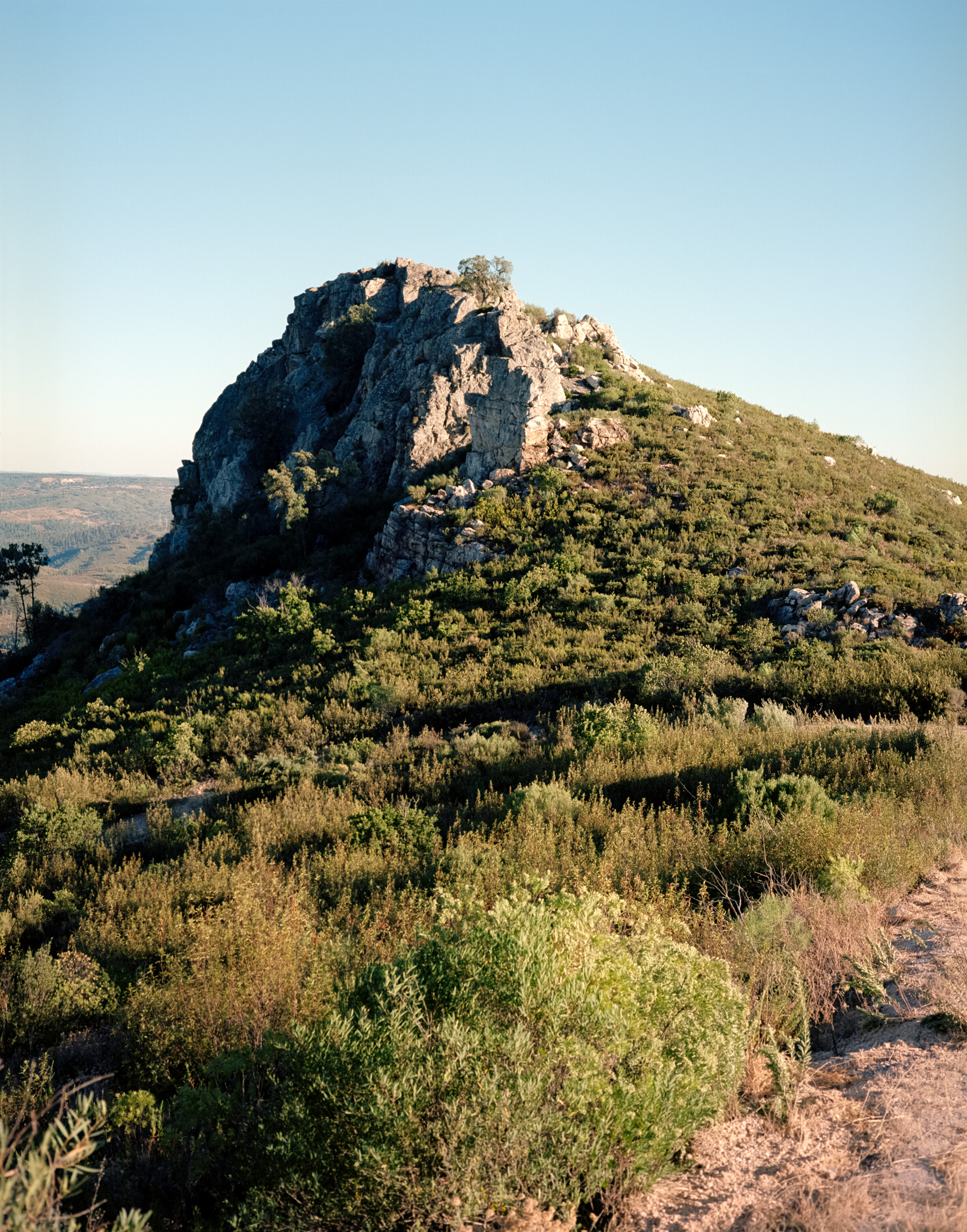
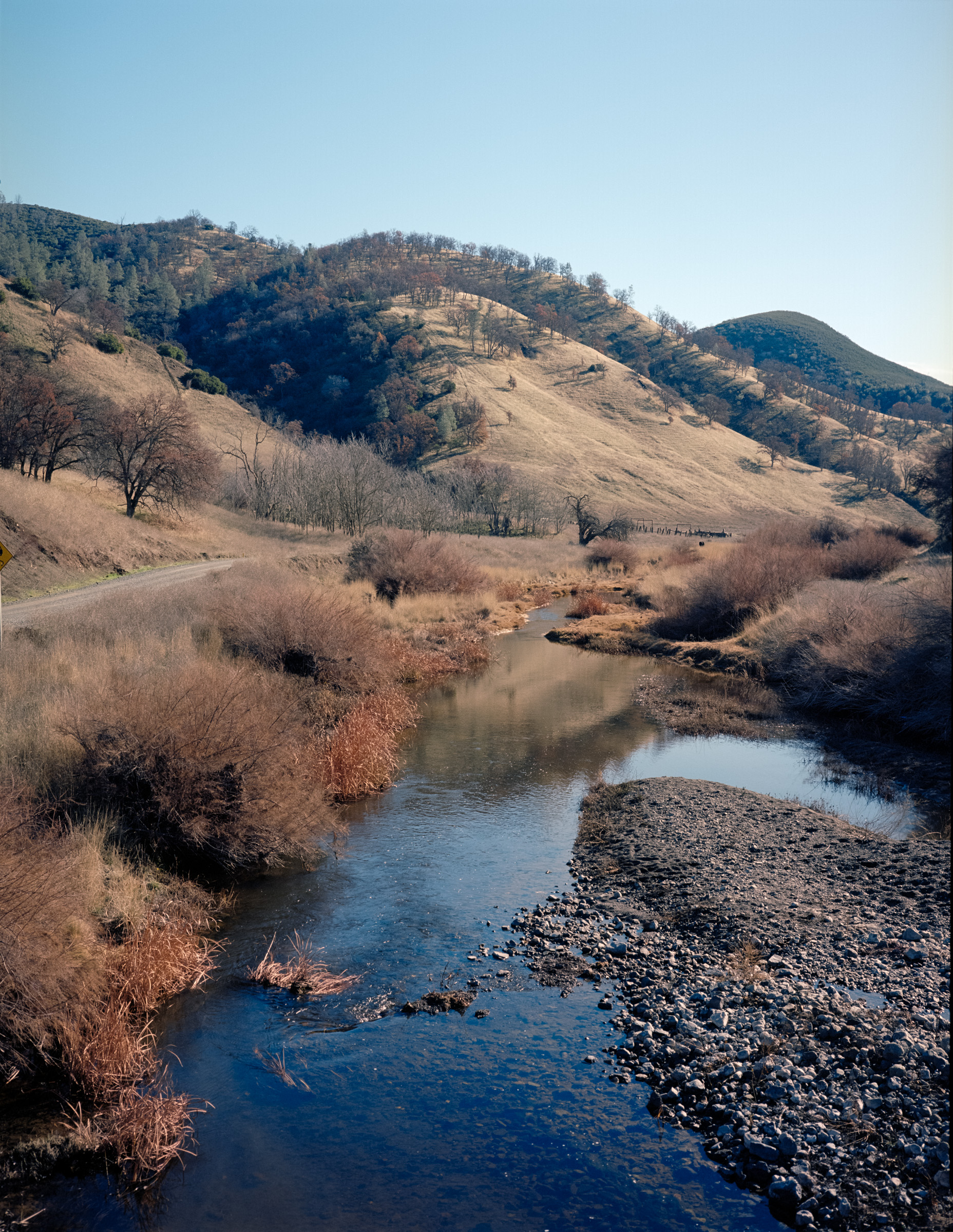
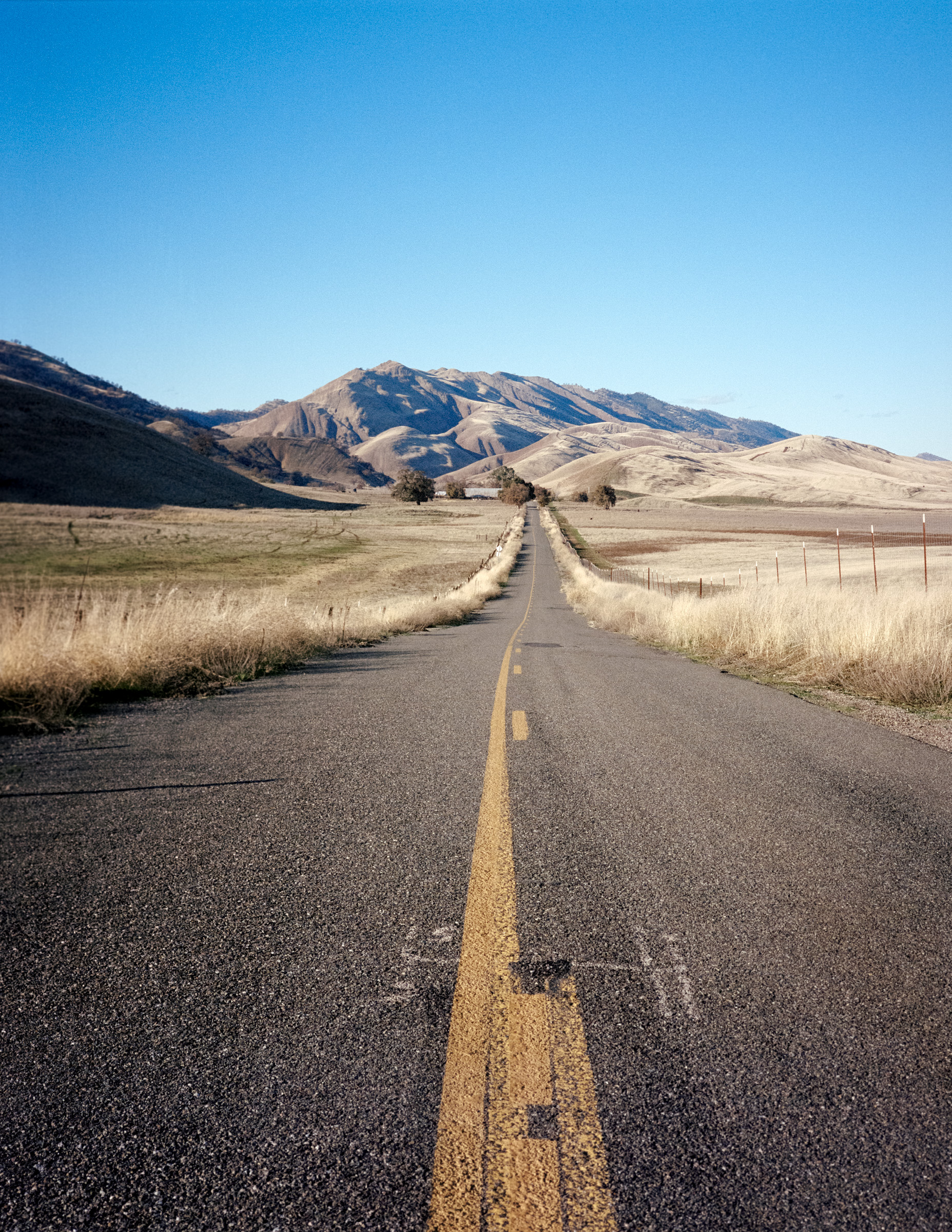
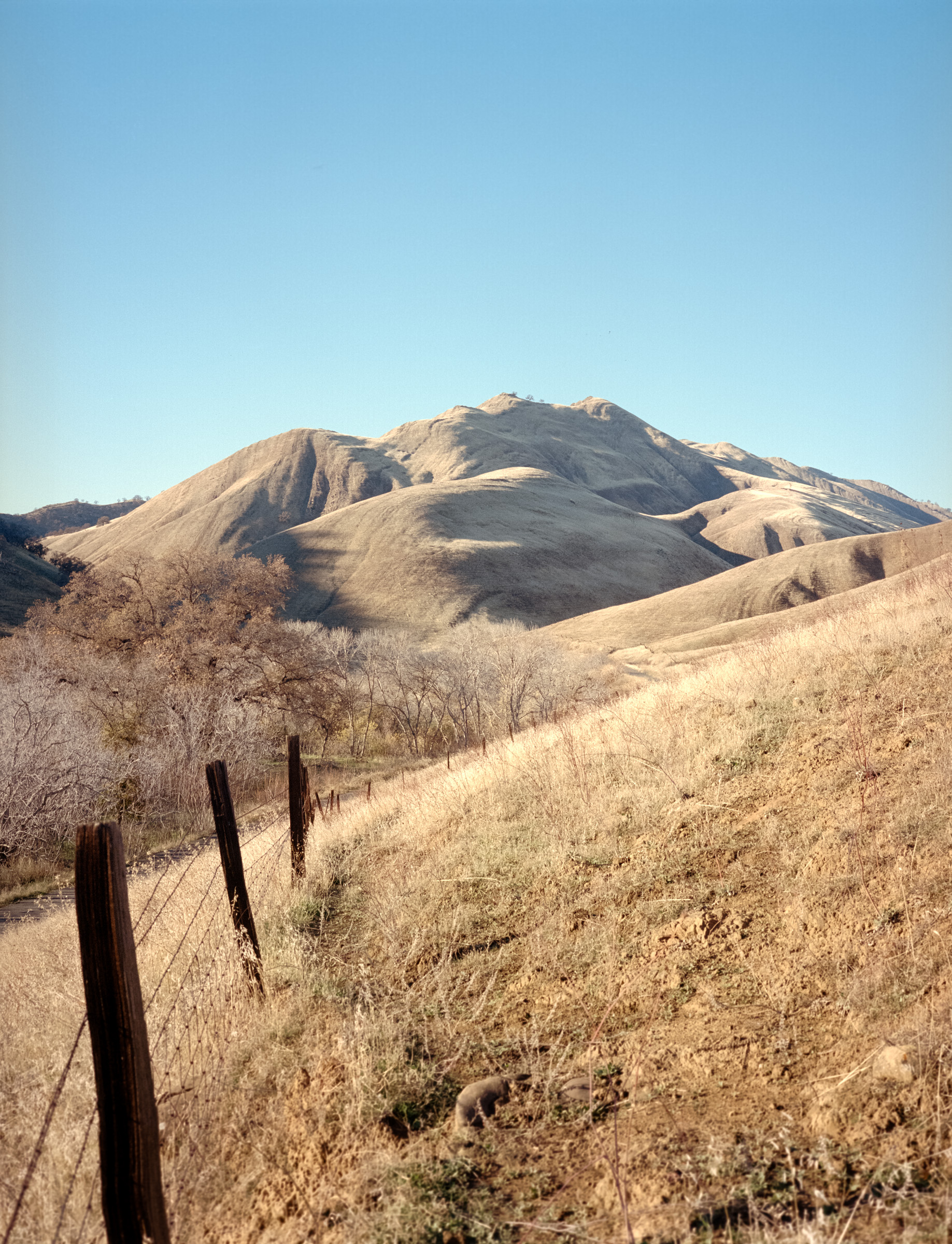
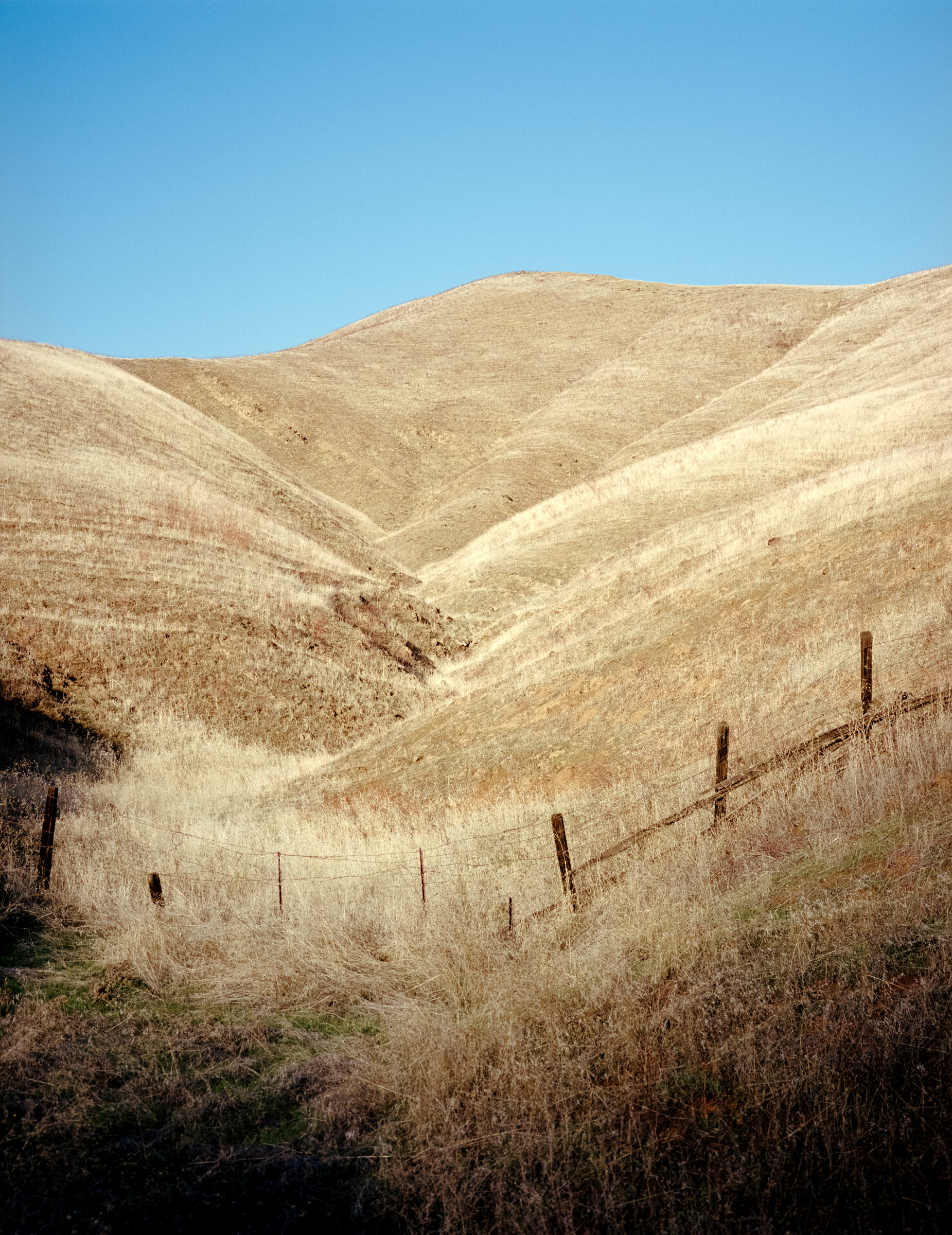
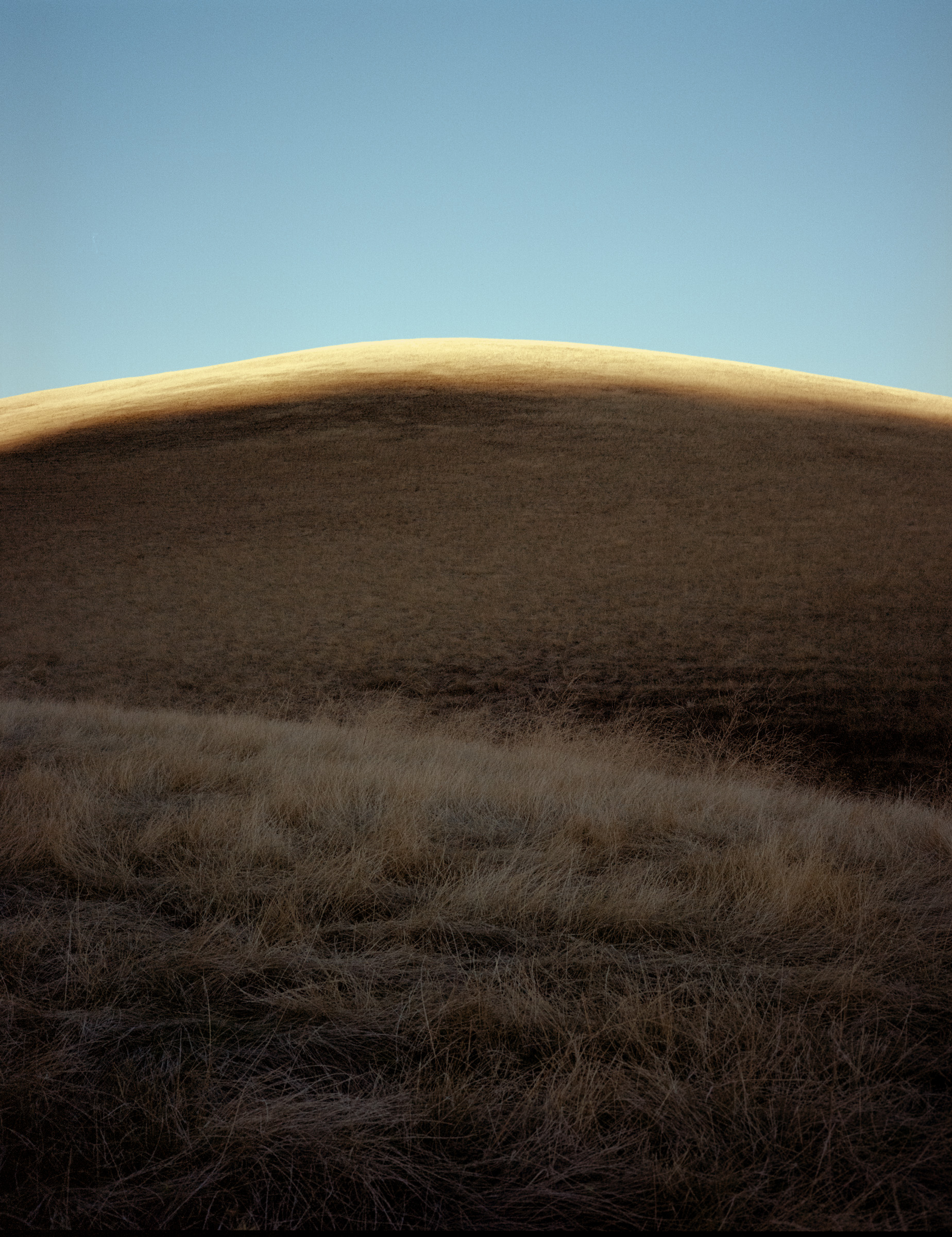
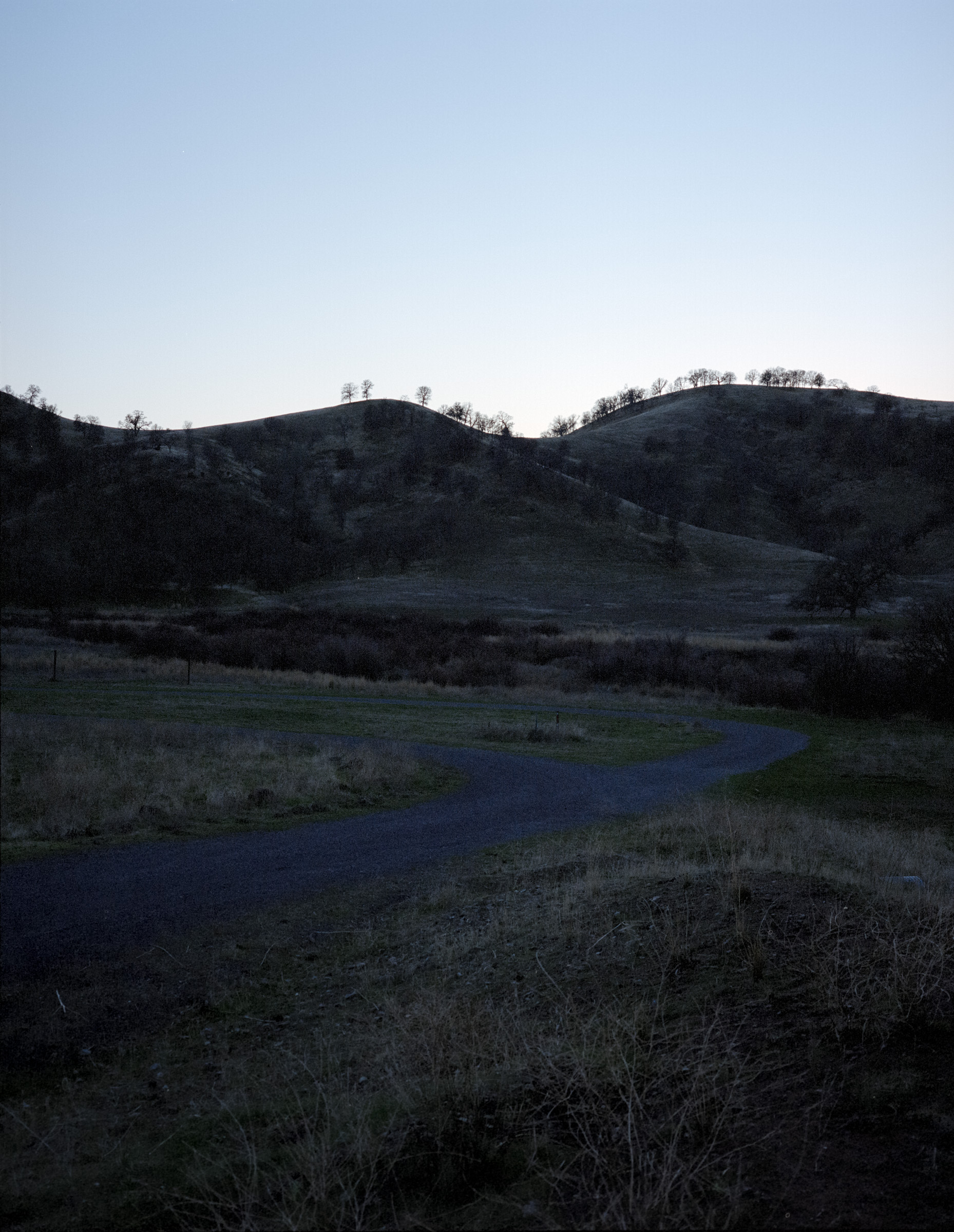
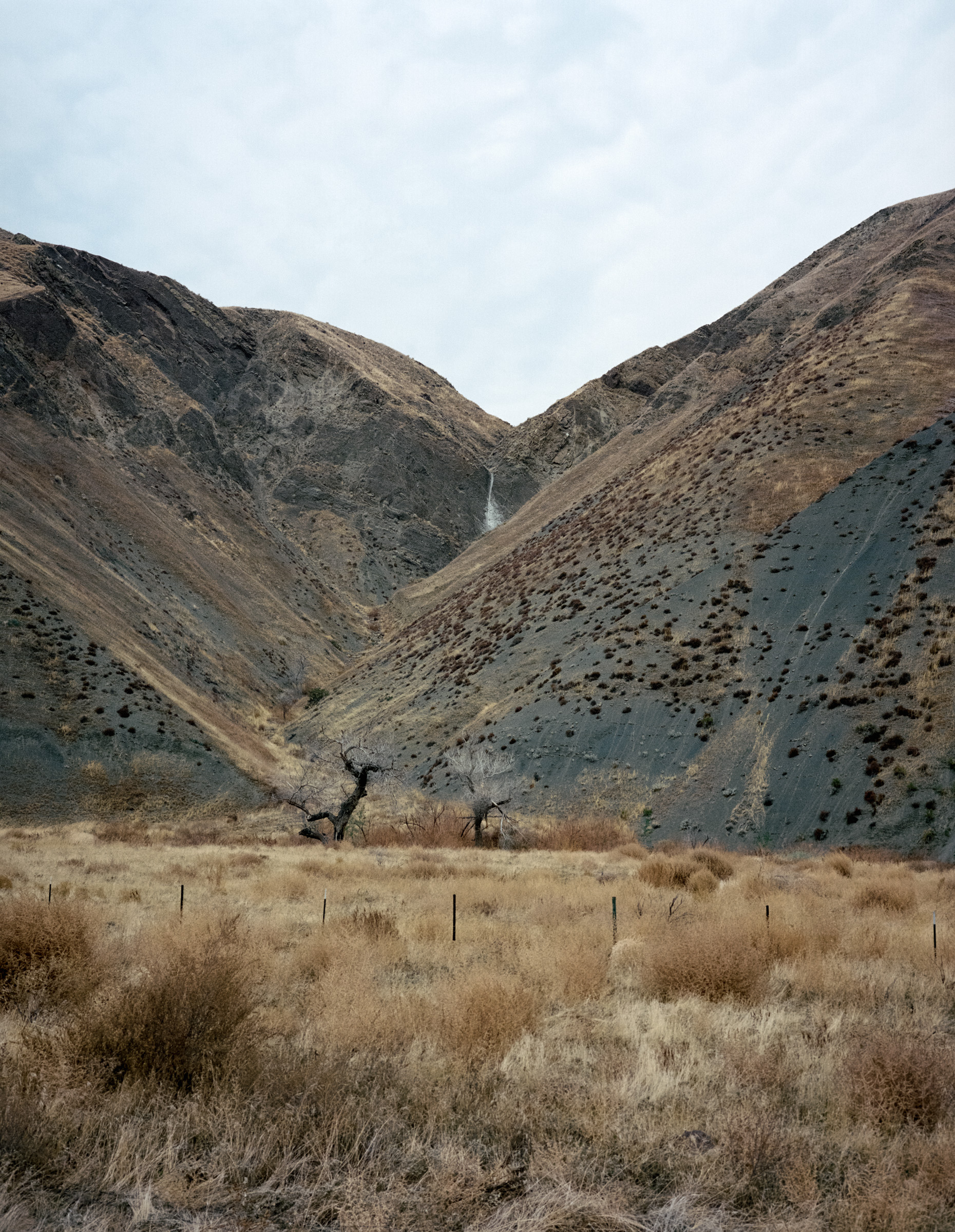
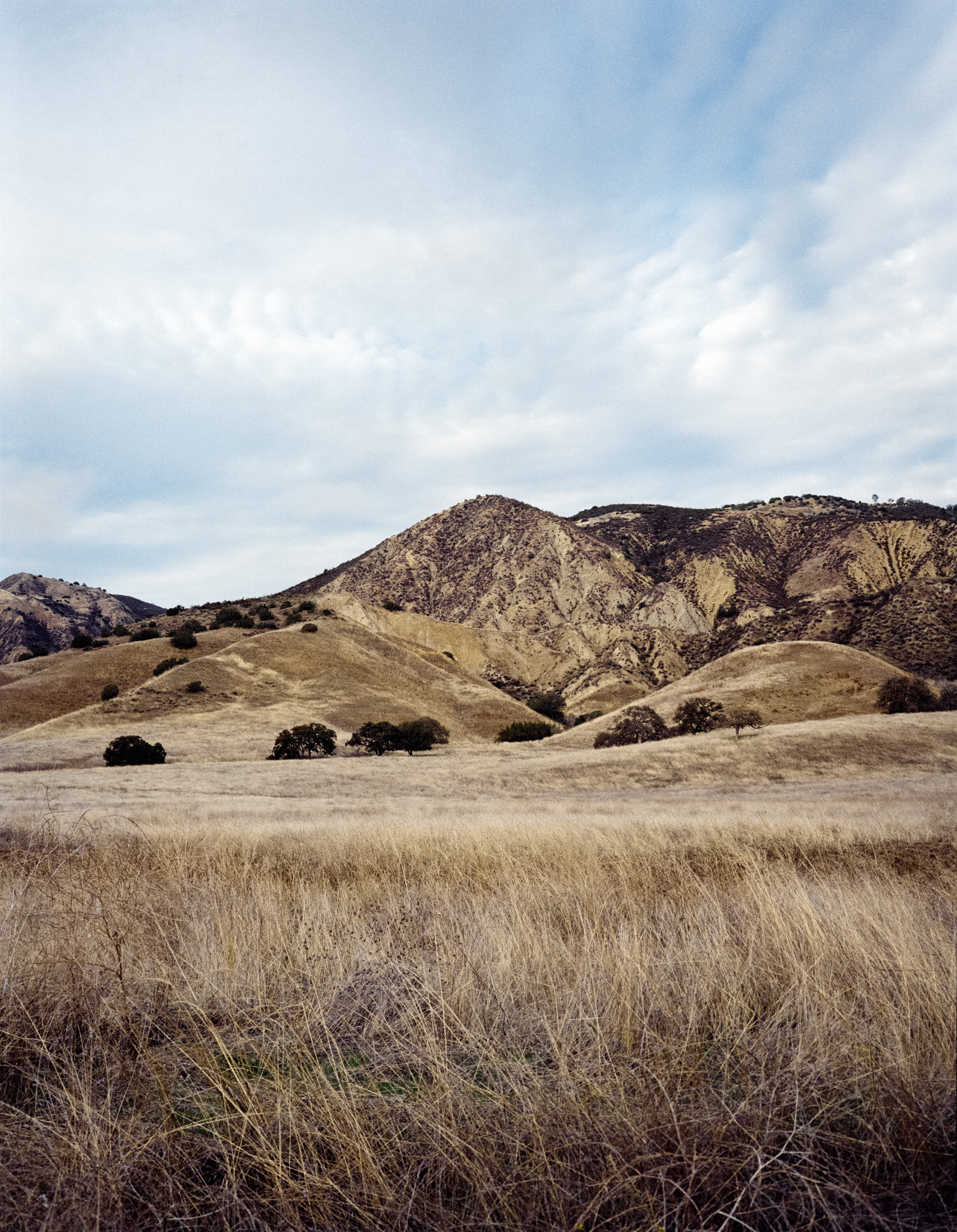
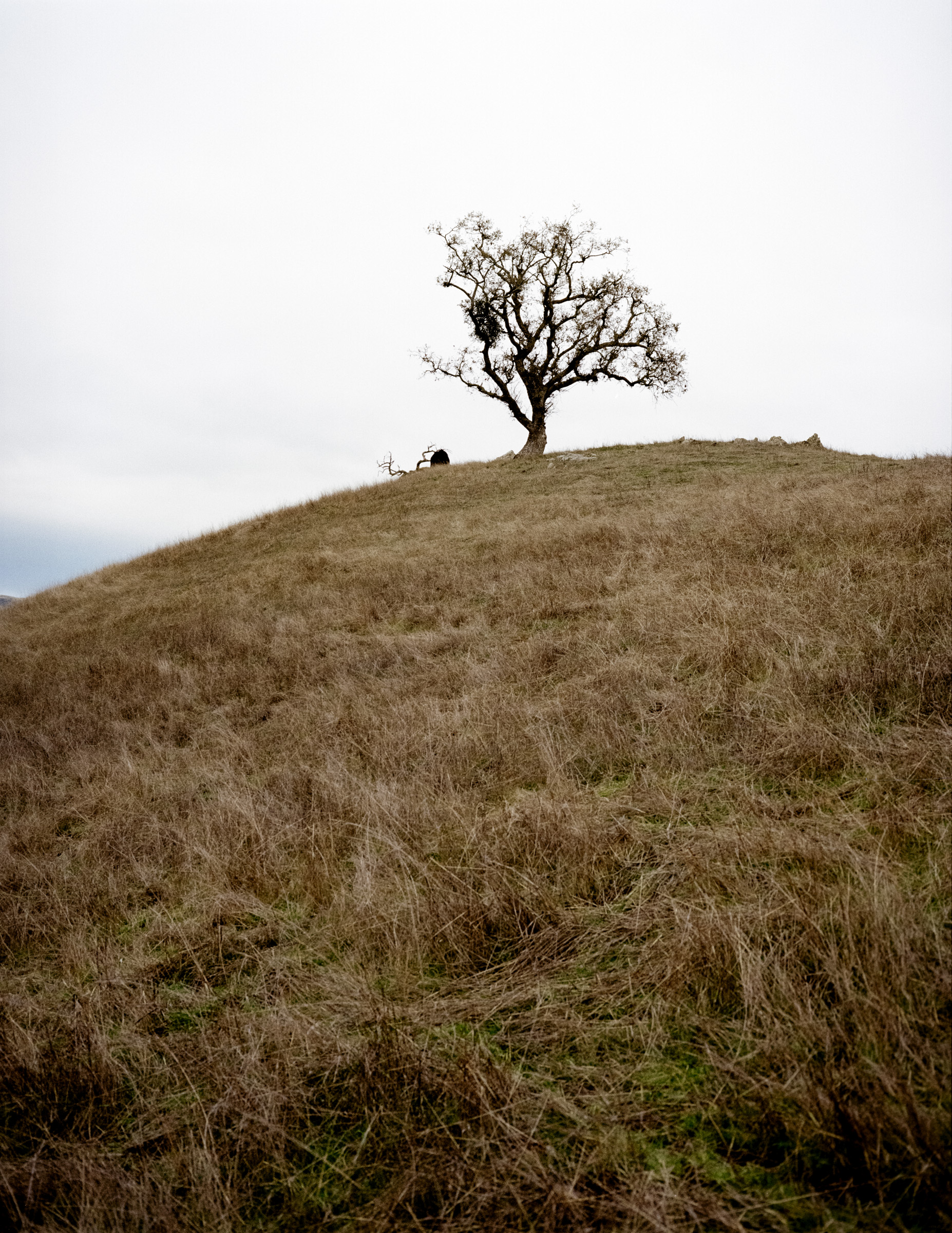
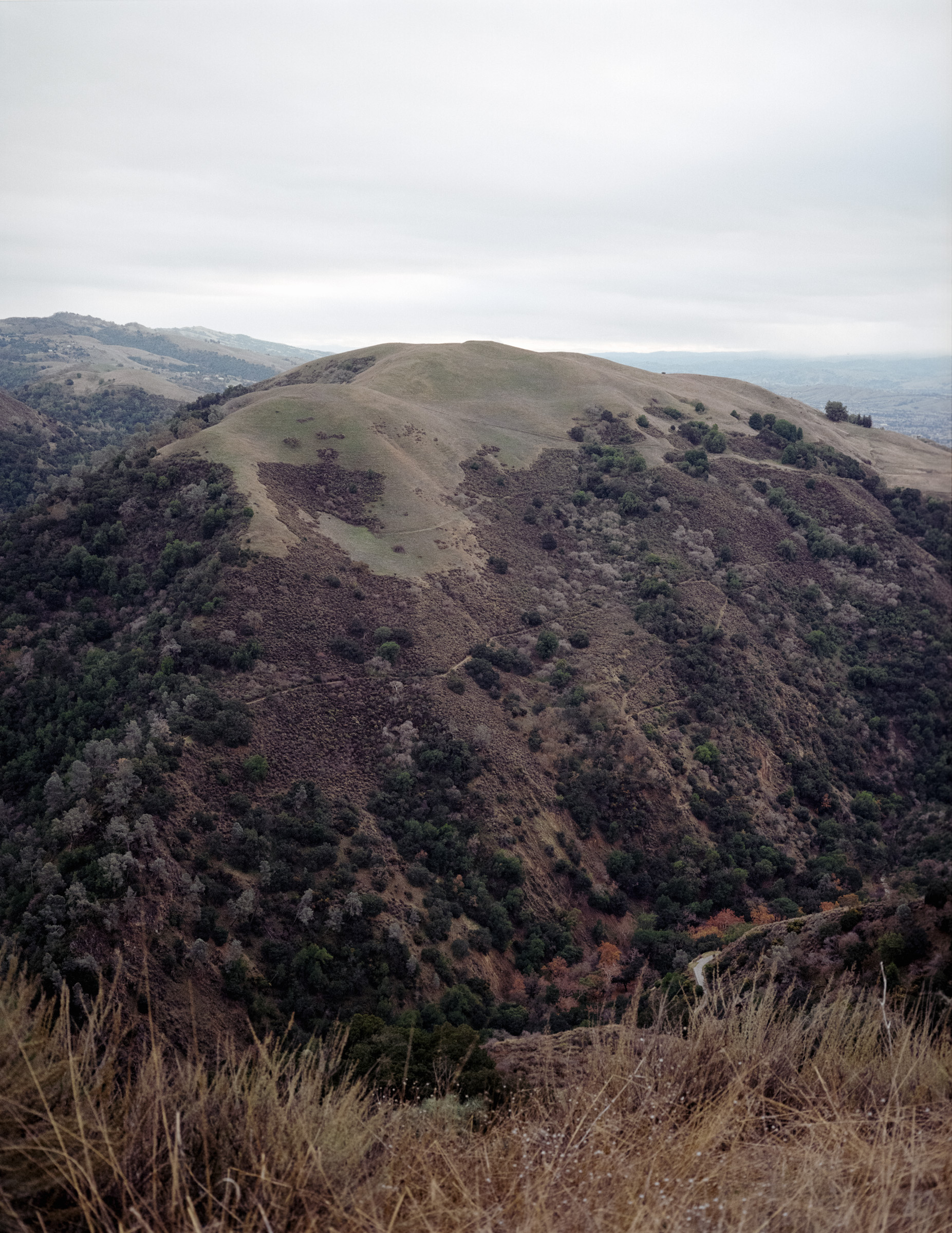
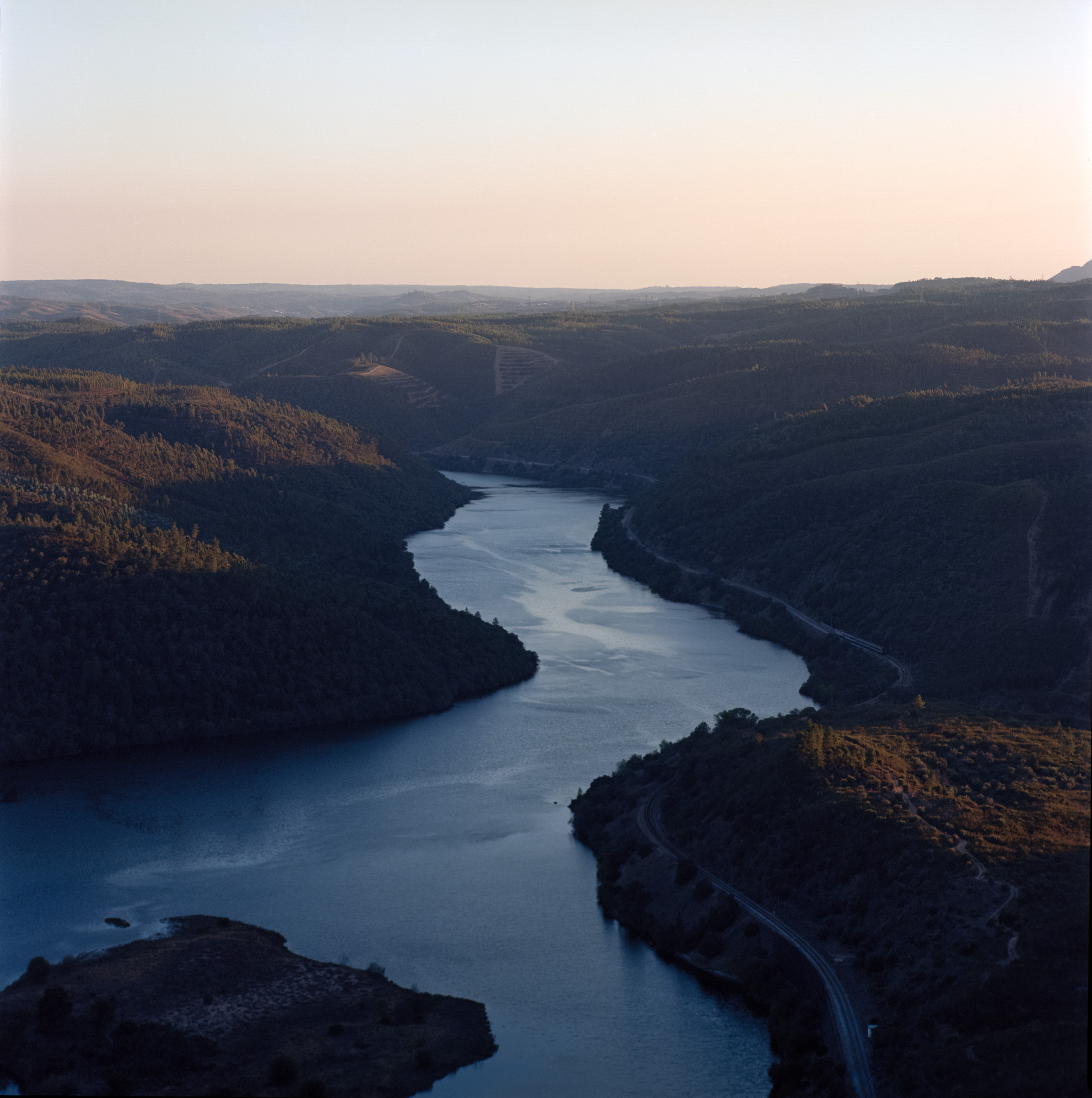
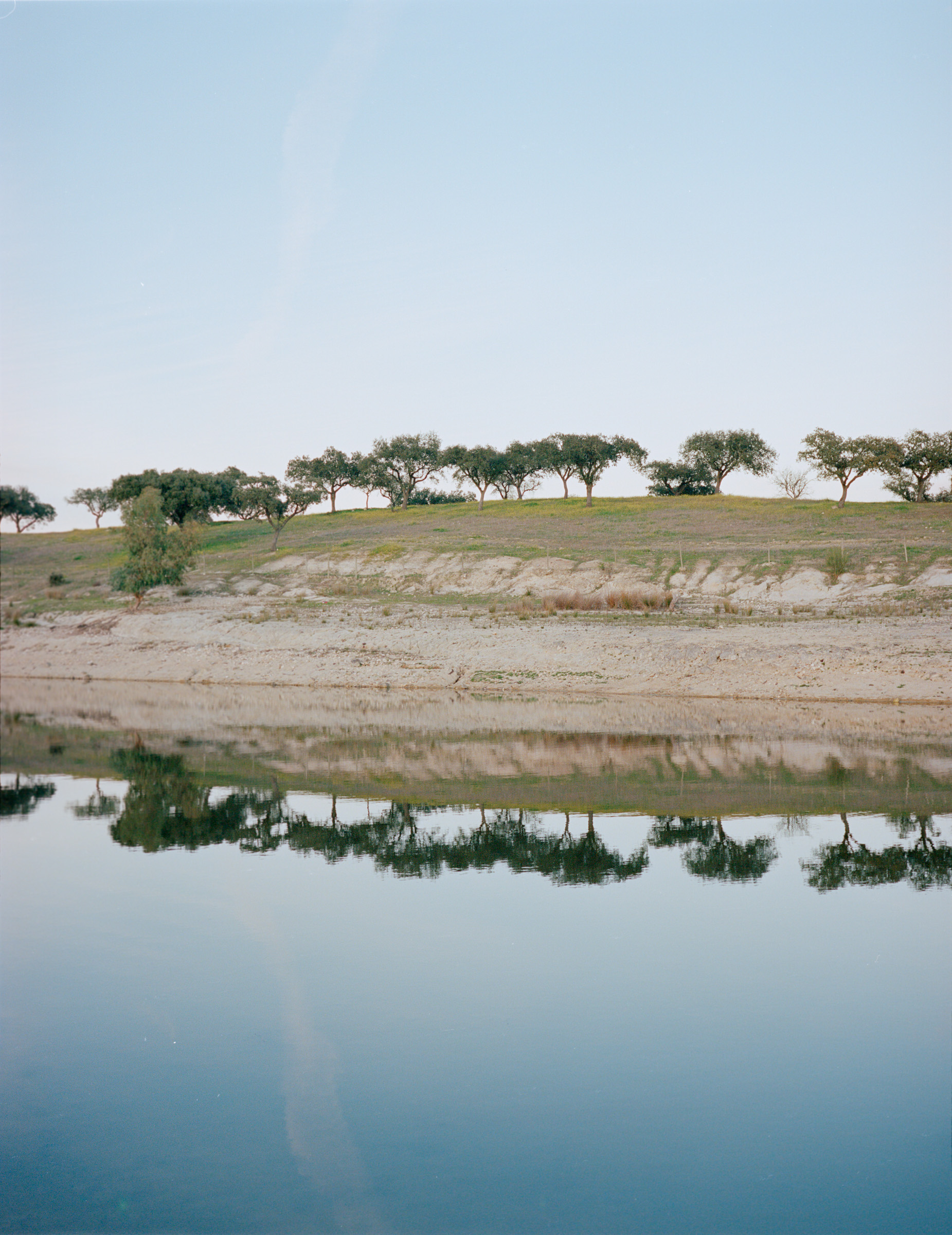
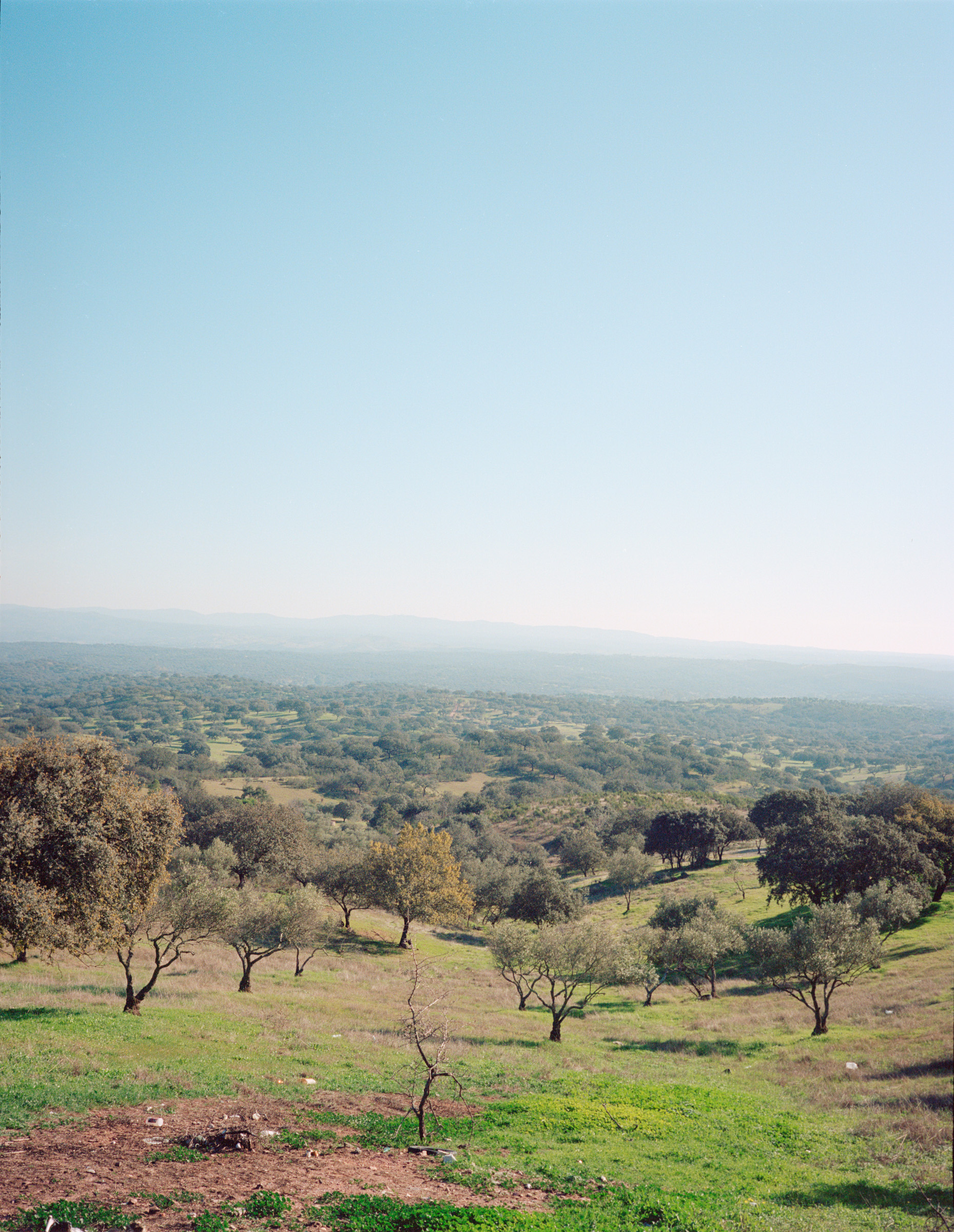
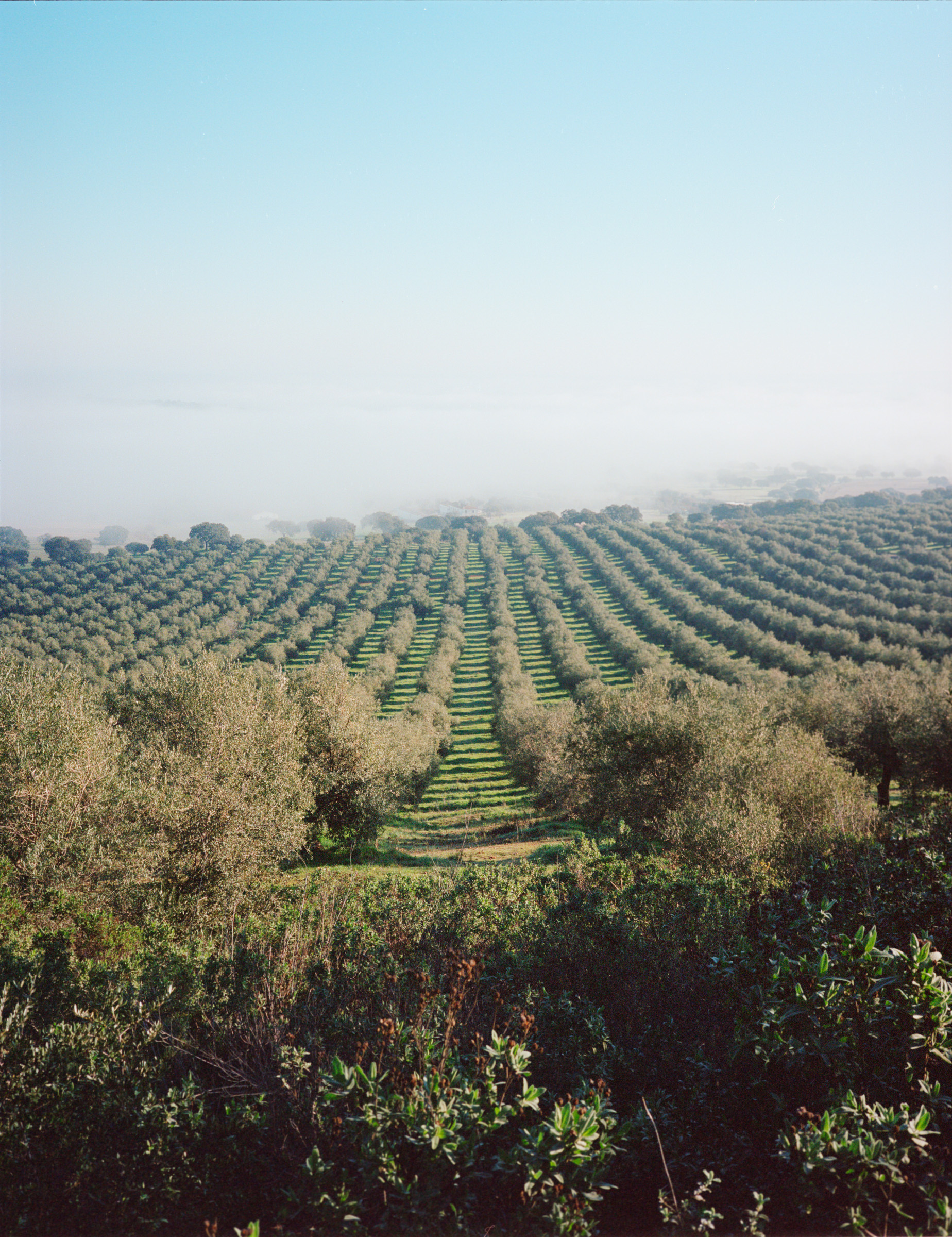
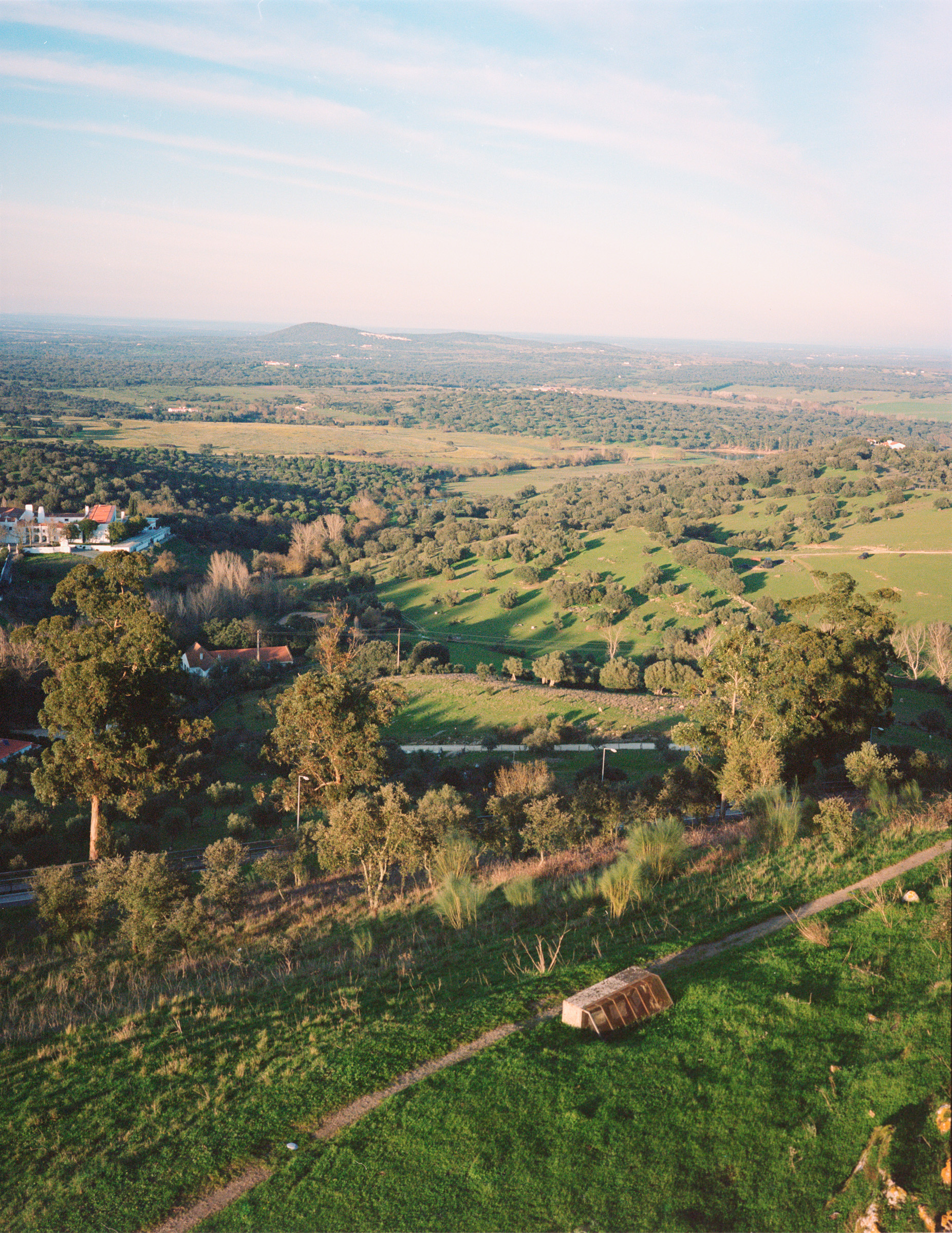
I have been investigating two regions dominated by chaparral, which are integral to my upbringing and family history. The first can be found in the Alentejo in southern Portugal. My family spent occasional summers in Portugal and these trips inevitably featured a bus ride through the yellow hills southeast of Lisbon en route to my mother’s ancestral home. This region of Portugal is home to the montado (or dehesa as it is known in neighboring Spain), an ancient cultural landscape and agroforestry system which exploits plant and animal species adapted to thrive in it. The cork and holm oaks are the most characteristic tree species in this system, and provide forage and shelter to millions of pigs, sheep, goats, cows and horses in the region. For many, the region conjures up memories of thinly sliced Iberian ham, sharp cheeses and bullfights. I grew up hearing family stories from the 1960s and 1970s, which all took place on the stage of this landscape. These stories have guided me as I scout for other locations in the landscape, like the stream in my mother’s story of nearly drowning on the way home from school. When I go back today, I glimpse the inherited memories of such stories in those hills and valleys.
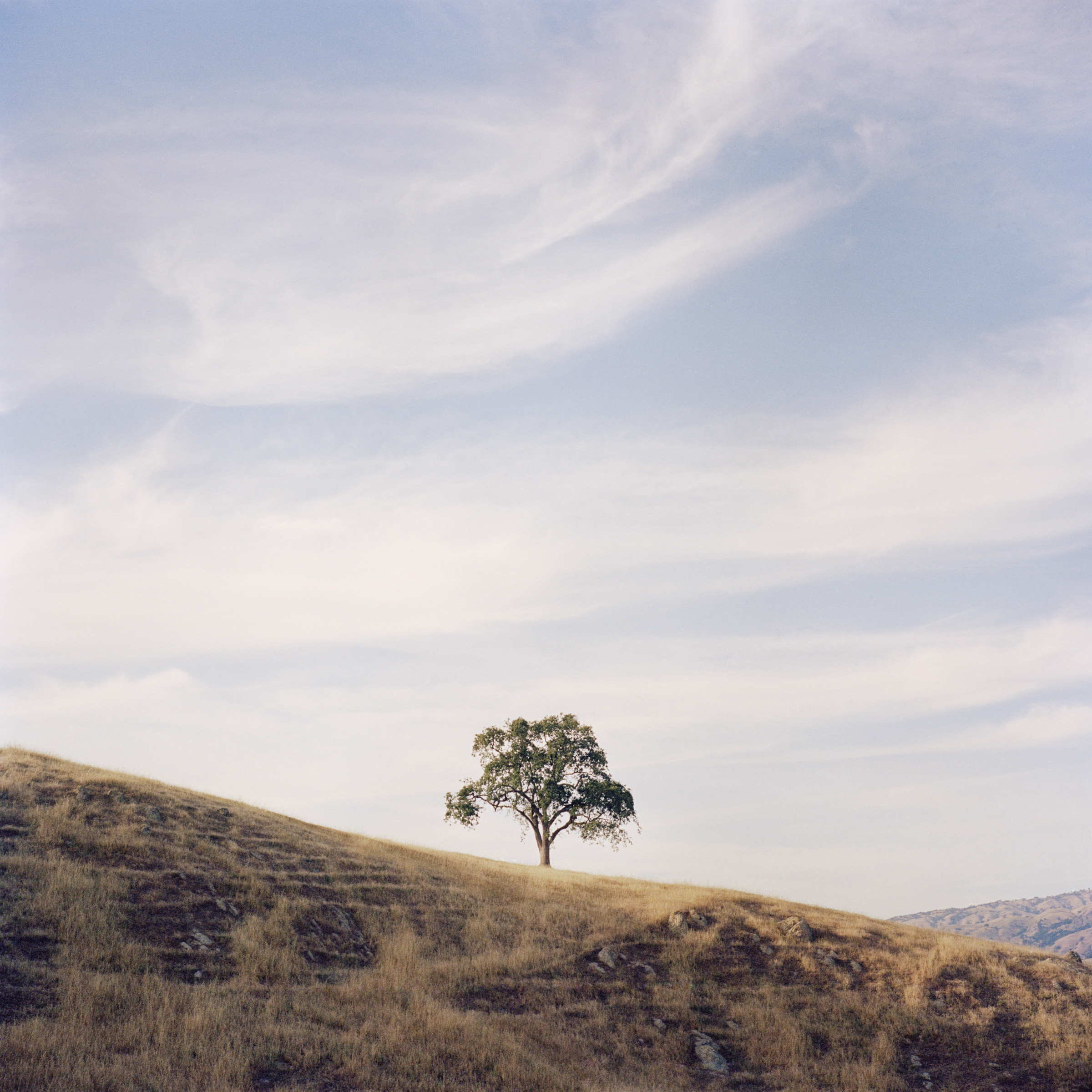
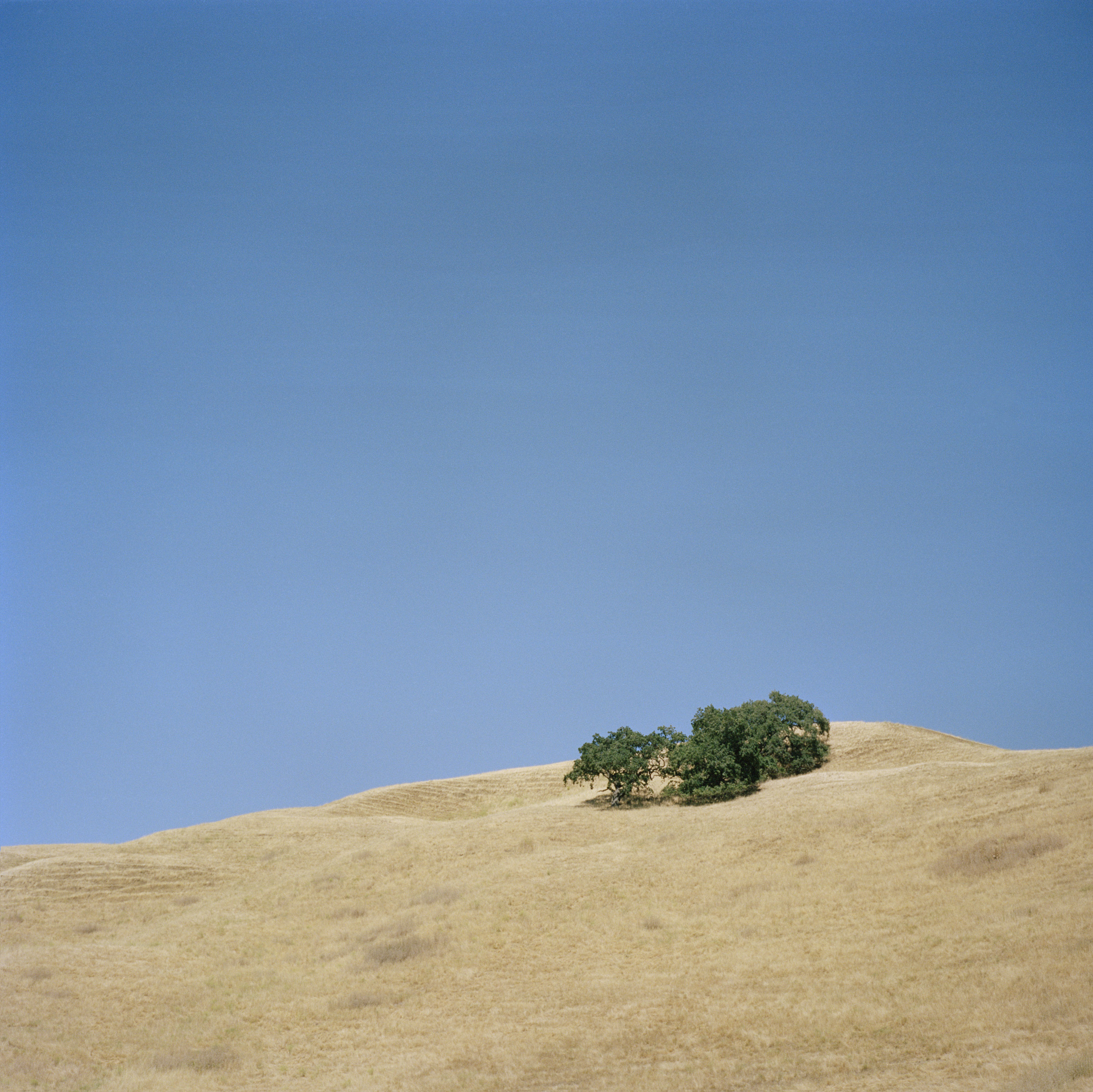
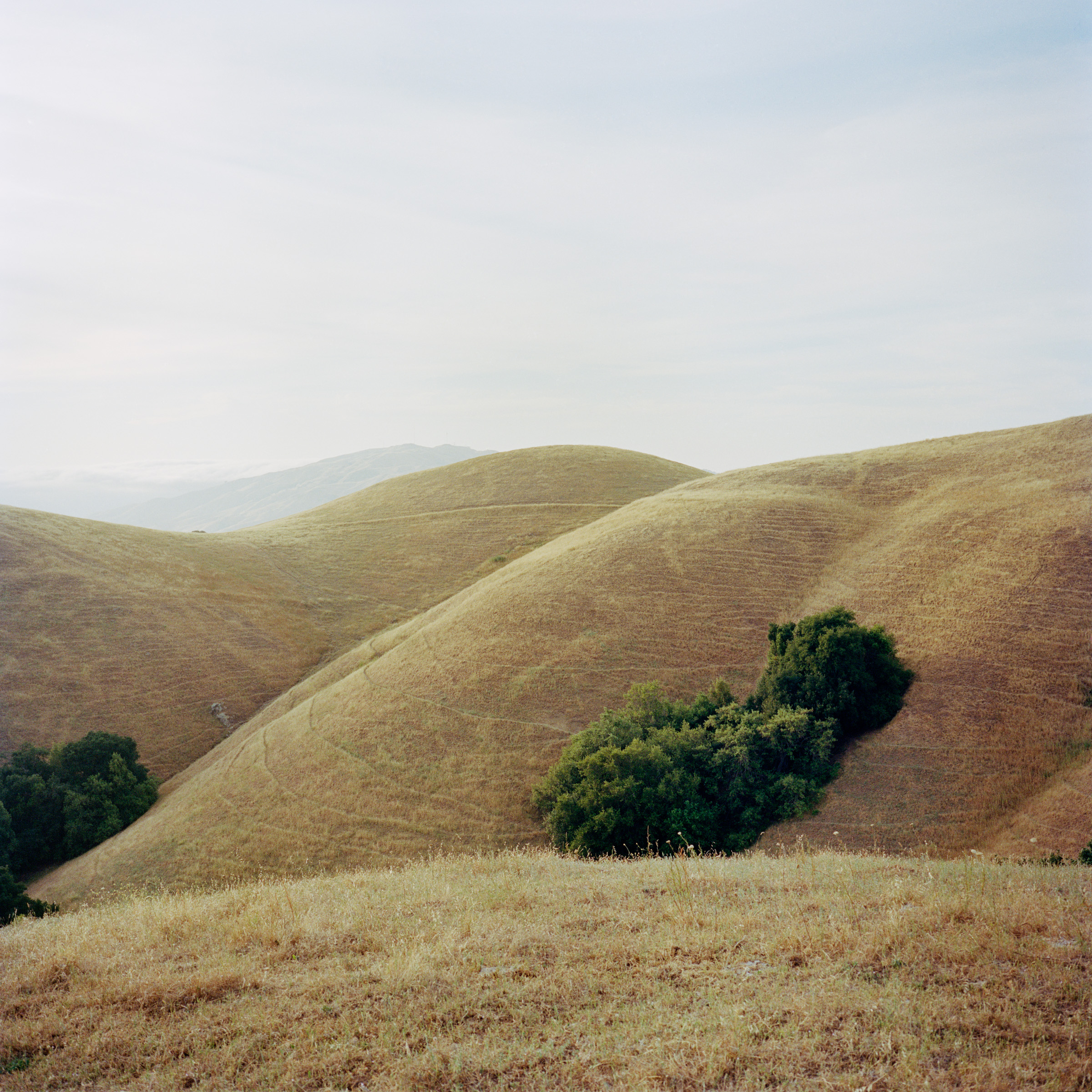
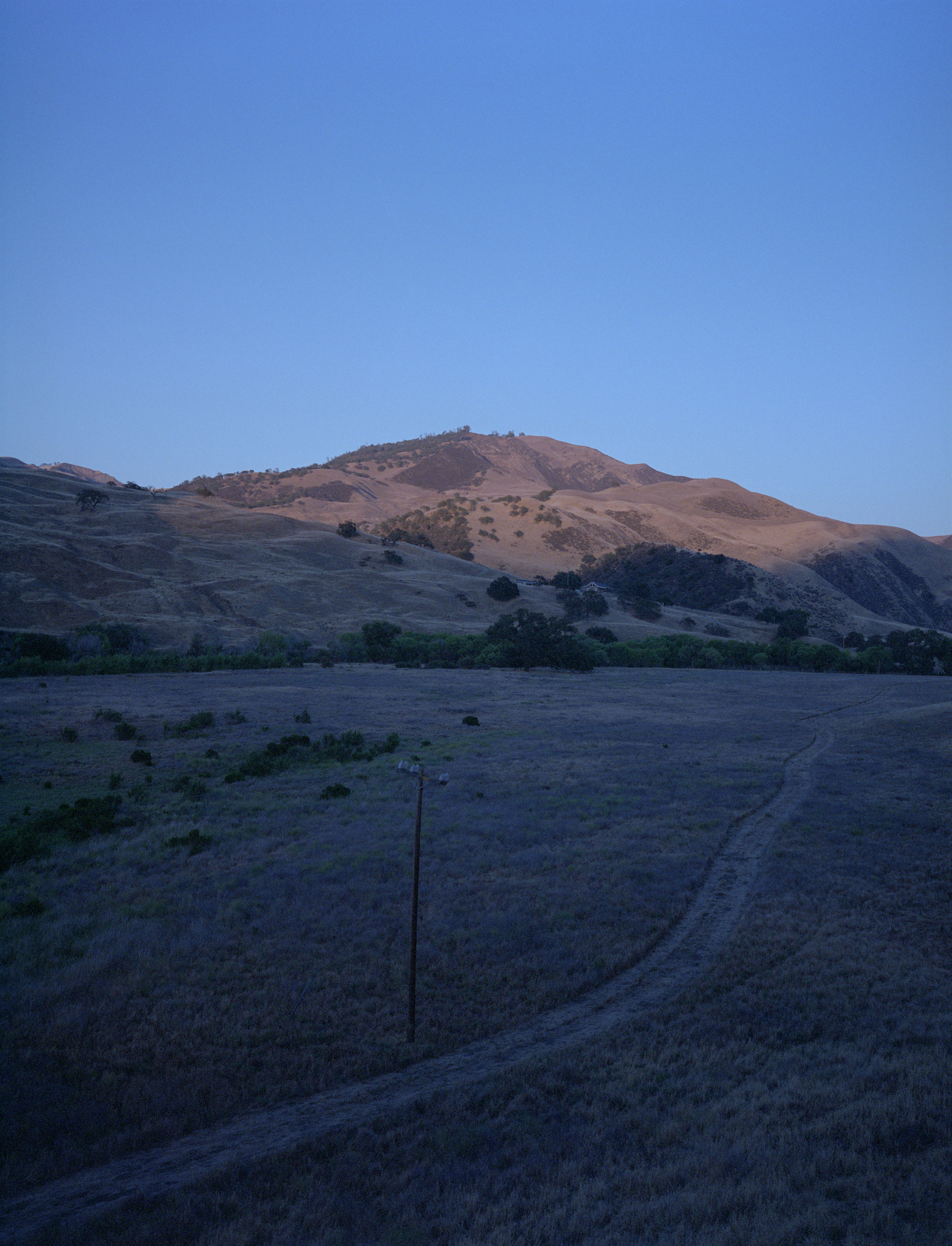
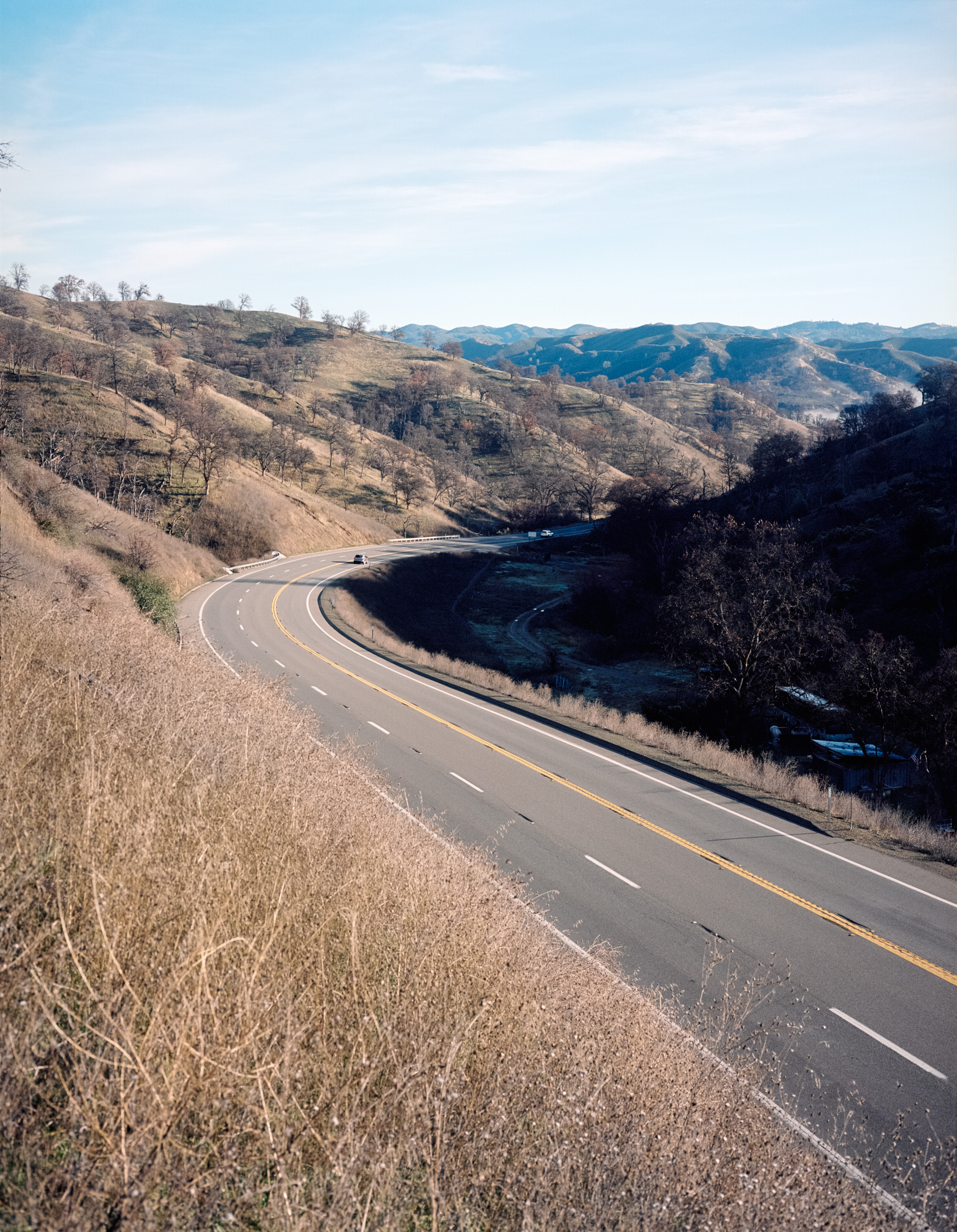
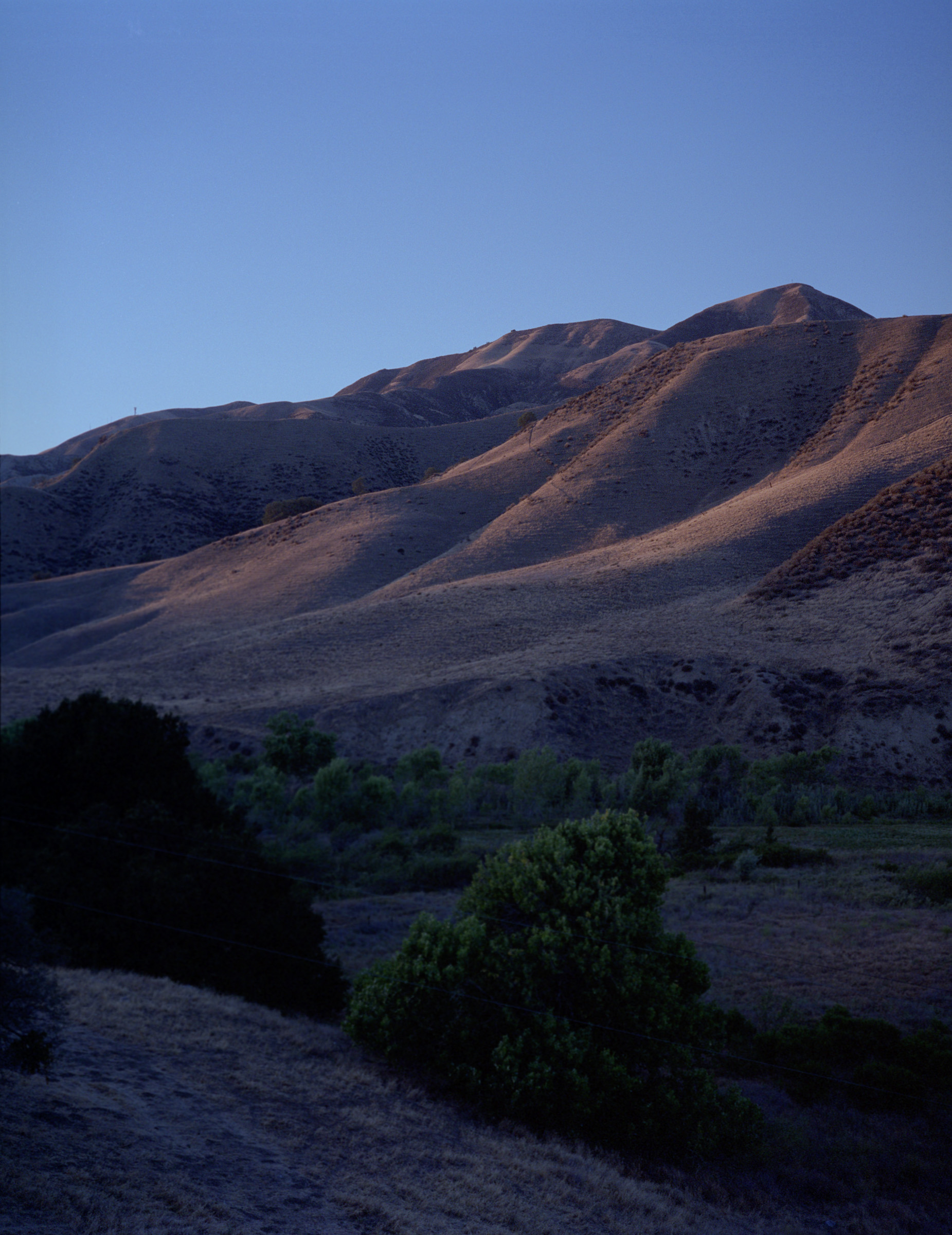
The California chaparral is significant to me because it was the landscape of my youth. I grew up in Santa Clara County in the southern extremity of the San Francisco Bay Area. Just outside my parents’ front door were the oak-dotted Diablo Mountains. I spent my teenage years mountain biking in these hills in places like Joseph D. Grant County Park, Alum Rock Park, and Mission Peak Regional Preserve. Beyond these hills were the California Central Valley and my uncle’s dairy. The view of the wind turbines that dotted the rolling hills of Altamont Pass was a sure sign that we had almost reached his home. The uncanny continuity between these hills and the Alentejo startles me even today. They merge to form a distinct sense of home.